


Aging · 2
Filter by type: Paper52
- 12 days ago nature.com
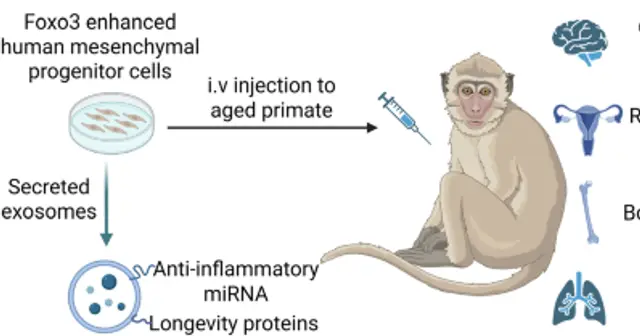
Engineered stem cells and aging in monkeys: a 2025 Cell study
A monkey study published in the journal Cell in 2025 tested engineered stem cells against signs of aging. The results come from animals and do not directly apply to people.
- 12 days ago medrxiv.org
Genetic study links proteomic aging clock to longevity and disease
A preprint on medRxiv with 38,865 UK Biobank participants identified 27 genetic loci linked to proteomic age gap, a biological measure of aging, and a strong genetic correlation with longevity.
- 12 days ago medrxiv.org
GrimAge clock predicts survival in cognitively healthy centenarians
A preliminary study, published as a preprint, followed 247 cognitively healthy Dutch centenarians and found that faster epigenetic aging measured by the GrimAge clock was linked to a higher risk of death.
- 12 days ago
 biorxiv.org
IF1 protein and aging: preprint in mice and across species
A preprint not yet peer reviewed reports that the IF1 protein inhibits ATP hydrolysis and that higher IF1 correlates with greater maximum lifespan across species.
- 12 days ago biorxiv.org
Kidney cell atlas links epithelial cells to epigenetic aging
An unreviewed preprint describes a single-cell multi-omic atlas of healthy and injured human kidneys, along with aged mouse kidneys. The authors report accelerated epigenetic aging, with tubular epithelial cells predominating in diseased kidneys.
- 12 days ago renascience.co.jp
Preliminary XPRIZE Healthspan trial reports anti-aging effects of a drug candidate
A news article reports preliminary results from a semifinal XPRIZE Healthspan clinical trial in people, in which a drug candidate from Tohoku University reportedly showed anti-aging effects.
- 12 days ago nature.com
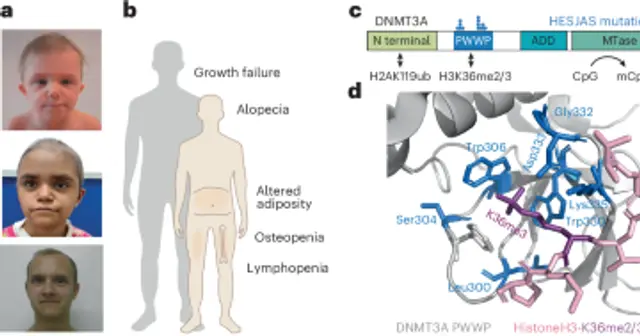
Changes in DNA methylation linked to accelerated ageing in mice and people
A study published in Nature Genetics reports that gain-of-function DNMT3A mutations, which affect DNA methylation, show signs of accelerated ageing in patients and mice.
- 12 days ago biorxiv.org
Machine learning predicts drugs that extend lifespan in worms
A preprint used machine learning models trained on mouse longevity data to flag possible anti-aging candidates. In C. elegans worms, 6 of 22 predicted compounds extended lifespan.
- 12 days ago nature.com
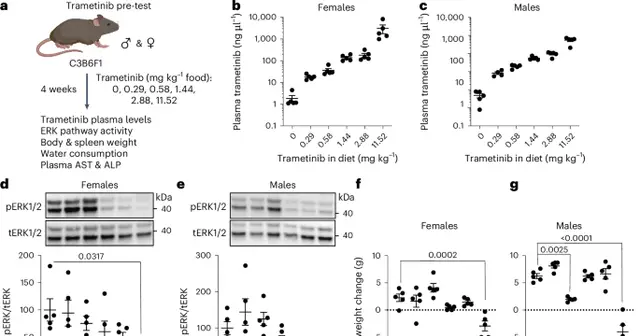
Trametinib and rapamycin extend lifespan in mice, study finds
A study in mice published in Nature Aging found that trametinib extended the lifespan of both males and females. Combined with rapamycin, the effect was additive and also reduced inflammation and tumor growth.
- 12 days ago nature.com
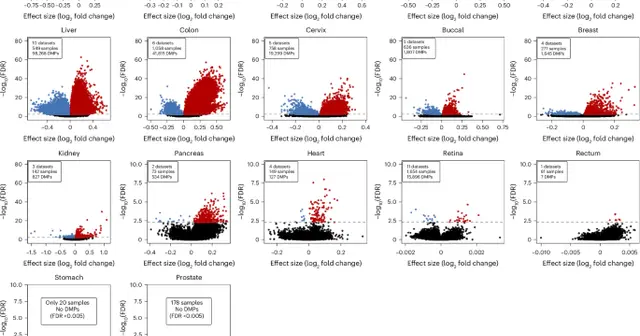
DNA methylation aging differs across 17 human tissues
A computational meta-analysis of nearly 16,000 human DNA methylation profiles found aging marks shared across tissues, but also many changes specific to each organ.
- 12 days ago nature.com
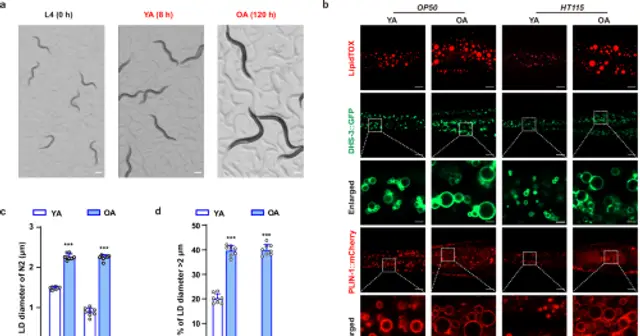
Citrulline and age-related fat buildup in C. elegans worms
In a study of the C. elegans worm, more citrulline was linked to more age-related lipid buildup and a shorter lifespan. This is animal research, not yet shown to apply to people.
- 12 days ago nature.com
Enzyme reverses protein aging marker in lab and tissue samples
A study in Nature Communications describes an enzyme that can reverse an aging-linked protein damage marker in laboratory experiments and in human tissue samples. The results are preliminary.
- 12 days ago nature.com
Thymus research aims to slow immune aging
A Nature news article reports that scientists are trying to regenerate the thymus, an immune organ that shrinks with age, in hope of slowing the aging of the body's immune defenses.
- 12 days ago biorxiv.org
Chemotherapy lowers muscle NAD+ in mice, preprint finds
A preprint in healthy mice reported that common chemotherapy regimens reduced NAD+ in skeletal muscle and, after prolonged treatment, also in the liver. The loss of muscle NAD+ accompanied muscle atrophy. The study has not yet been peer reviewed.
- 12 days ago nature.com
Enzyme reverses protein chemical aging in lab and tissue samples
A Nature Communications study describes the enzyme CMLase, which acts on a glycation marker and restores proteins in laboratory tests and in human tissue samples.
- 12 days ago pubmed.ncbi.nlm.nih.gov
Fucoxanthin extends lifespan in roundworm study
A study on the roundworm C. elegans found that fucoxanthin, a compound from algae, extended the average lifespan of the animals by 12.1% and slowed the loss of movement. The results come only from laboratory animals.
- 12 days ago nature.com
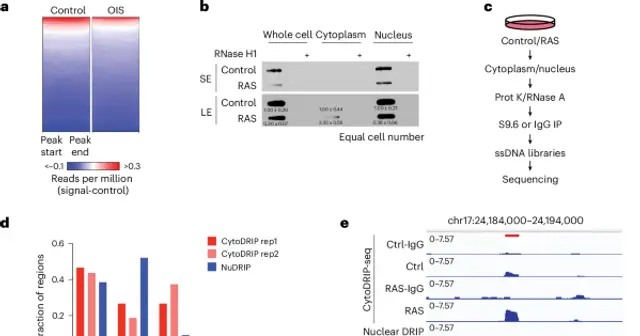
Blocking R-loop export from aging cells reduces inflammation, study finds
A study in Nature Aging, based on cells and animals, reports that blocking XPO1 reduced R-loop export and aging-related inflammation.
- 12 days ago nature.com
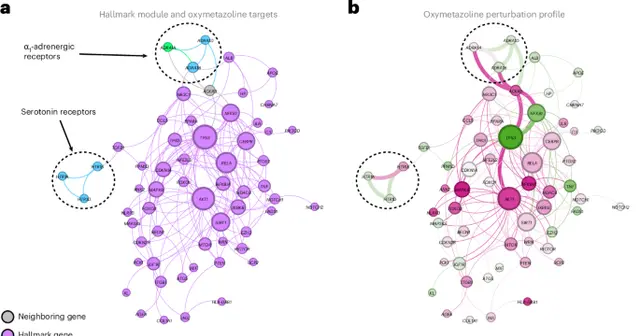
Network map of aging biology flags possible repurposable drugs
A network medicine framework maps aging markers as interconnected molecular modules. The authors say it may point to existing drugs with potential to reverse age-related changes.
- 12 days ago nature.com
Senescent Microglia Found in the White Matter of Aged Mouse Brains
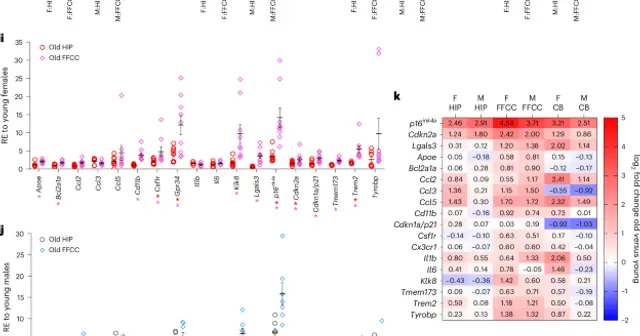
A study in aged mice identified a group of microglia showing signs of senescence and inflammation, concentrated in the white matter near the hippocampus. Reducing cells marked by p16 or BCL2 lowered this population, but cognition was not tested.
- 12 days ago nature.com
Thymulin Shown to Curb Age-Related Inflammation in Mice
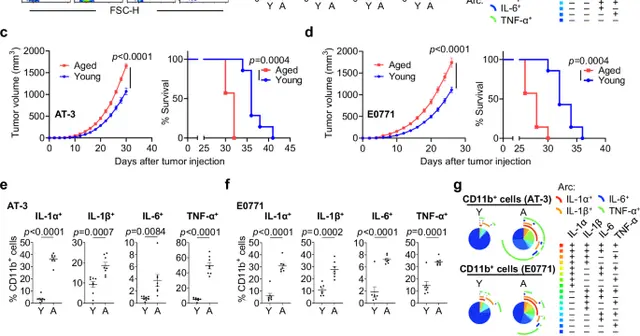
A Nature Communications study in mice reports that thymulin, a peptide derived from the thymus, suppressed chronic pro-tumor inflammation in aged animals and improved cancer immunotherapy in the experimental model.
- 12 days ago biorxiv.org
Blood Stem Cells Reset to Younger Epigenetic Age in the Lab: Preliminary Study
A bioRxiv preprint reports that lab-grown human blood stem cells had their epigenetic age reset to near zero, an effect that held through serial transplantation in animals.
- 12 days ago nature.com
Shared gene expression signatures of ageing across mammals
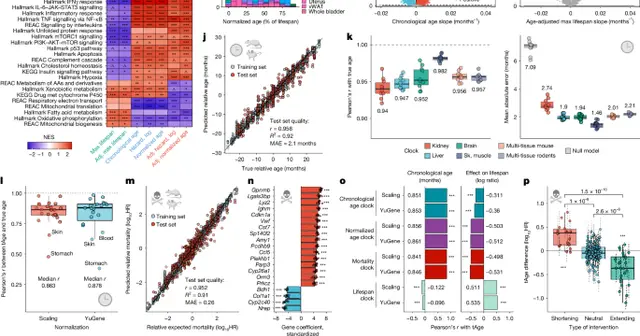
A study published in Nature combined gene expression data from 4 mammal species and 25 tissues. The authors describe ageing and mortality signatures that are conserved across species, grouped into 28 biological modules.
- 12 days ago nature.com
Gut bacterium linked to longer healthspan in aging mice
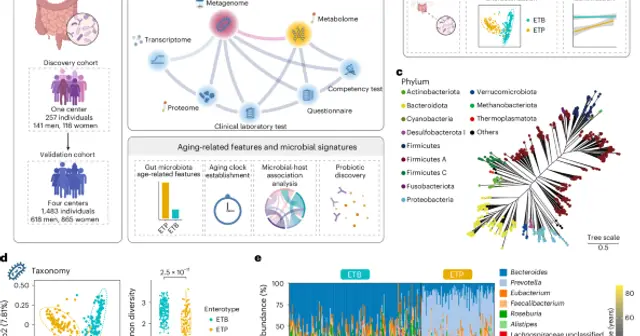
A study published in Nature Aging links the decline of a gut bacterium with age in human cohort data and, in mice, associates this bacterium with less age-related inflammation. The results do not yet apply directly to people.
- 12 days ago nature.com
Gut bacterium linked to aging and inflammation in mice
A Nature Aging study links a decline in one gut bacterium with age in human cohort data. In mice, studies reported less age-related inflammation and greater healthspan.


Not medical advice · Learn more