


Trametinib and rapamycin extend lifespan in mice, study finds
A study in mice published in Nature Aging found that trametinib extended the lifespan of both males and females. Combined with rapamycin, the effect was additive and also reduced inflammation and tumor growth.
Source: Trametinib and rapamycin extend lifespan in mice, study finds (nature.com). Summary written with AI from the source and reviewed by rules; read the original.
What the research shows
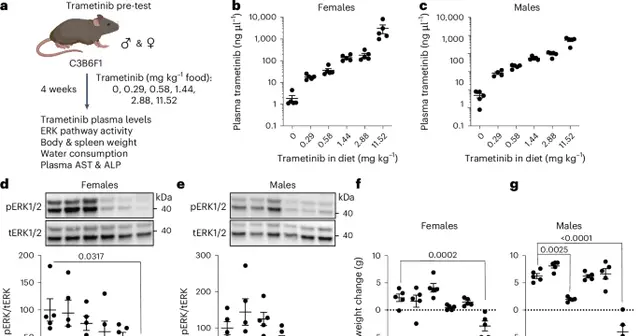
The study, published in the journal Nature Aging, was carried out in mice, both males and females. According to the publication, trametinib extended the animals' lifespan. When combined with rapamycin, the effect was additive, meaning it added to the effect of trametinib. The researchers also reported reduced inflammation and reduced tumor growth in these animals.
These results come from animals, not people. The study shows how drugs that act on pathways linked to aging behave in mice, but its relevance to humans has not been established. Findings like this are an early step in research and need to be confirmed in further studies before any conclusion about human health can be drawn.
What it means
The result suggests that drugs acting on aging pathways may influence longevity in animals, including when combined. It is not yet known whether the same happens in people, or what the safety and effects of these drugs would be in humans.
How to read it with care
A study in mice does not replace a medical consultation. Anyone considering a change in diet, supplements or treatment should talk to a doctor or another qualified health professional.