


Gut bacterium linked to aging and inflammation in mice
A Nature Aging study links a decline in one gut bacterium with age in human cohort data. In mice, studies reported less age-related inflammation and greater healthspan.
Source: Gut bacterium linked to aging and inflammation in mice (nature.com). Summary written with AI from the source and reviewed by rules; read the original.
What the research shows
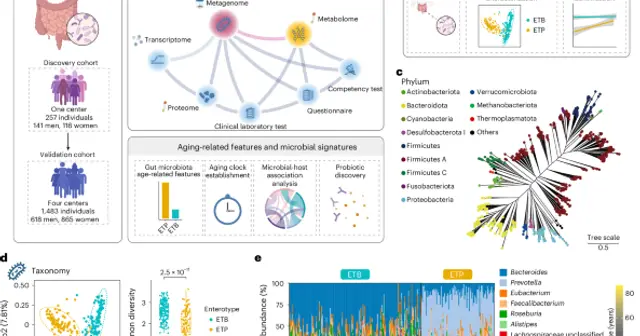
The Nature Aging study used multi-omics data from a human cohort and found that Bifidobacterium pseudocatenulatum, and its metabolite, declined as people got older. Studies in mice reported less age-related inflammation and greater healthspan, meaning the number of years lived in good health.
The human data are observational, so they show an association rather than a cause. The benefits were seen in mice, and results in animals do not always carry over to people. There are no human trials yet showing that changing these bacteria brings benefits.
What it means
The finding connects gut microbes to inflammation in aging. It is still unclear whether the same happens in people, because the benefits were seen in mice rather than in human trials.
How to read it with care
This result does not replace a medical consultation. Anyone considering a change in diet, supplements or treatment should talk to a doctor or another qualified professional.