


Senescent Microglia Found in the White Matter of Aged Mouse Brains
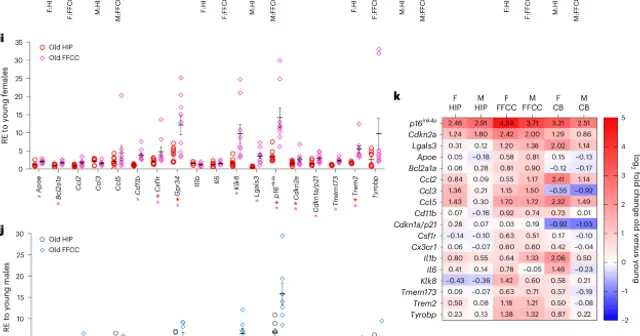
A study in aged mice identified a group of microglia showing signs of senescence and inflammation, concentrated in the white matter near the hippocampus. Reducing cells marked by p16 or BCL2 lowered this population, but cognition was not tested.
Source: Senescent Microglia Found in Aged Mouse Brain White Matter (nature.com). Summary written with AI from the source and reviewed by rules; read the original.
What the research shows
A study in aged mice identified a group of microglia, the brain's immune cells, showing signs of senescence (cellular aging) and inflammation. This group was concentrated in the white matter, a region near the hippocampus. When the researchers targeted cells marked by p16 or BCL2, the population of senescent microglia decreased.
This is a finding from animals, and the mice's cognitive function was not assessed, so it is unknown whether memory or reasoning were affected. The results show where some changes of brain aging concentrate in mice, but they do not prove any treatment for people. Animal research is often a first step that still needs to be tested in humans.
What it means
The finding suggests that changes linked to inflammation and aging of brain cells may concentrate in specific brain regions. It is not yet known whether this happens in people, or whether reducing these cells improves cognition.
How to read it with care
Because this is a study in mice, the result does not apply directly to human health. Anyone with questions about memory, brain aging, or any change in diet, supplements, or treatment should talk to a doctor or another qualified health professional.