


Thymulin Shown to Curb Age-Related Inflammation in Mice
A Nature Communications study in mice reports that thymulin, a peptide derived from the thymus, suppressed chronic pro-tumor inflammation in aged animals and improved cancer immunotherapy in the experimental model.
Source: Thymulin Shown to Curb Age-Related Inflammation in Mice (nature.com). Summary written with AI from the source and reviewed by rules; read the original.
What the research shows
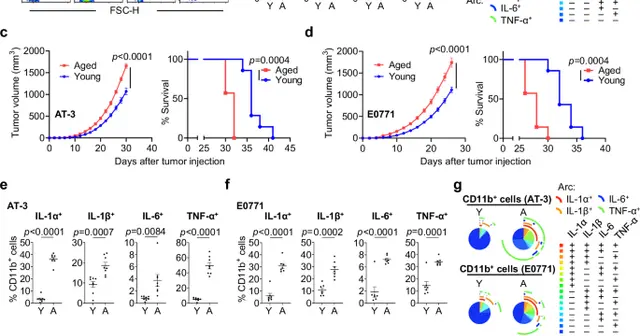
The study, published in Nature Communications, was carried out in mice. The researchers found that thymulin, a peptide derived from the thymus, suppressed chronic pro-tumor inflammation in aged mice. In the experimental model, the substance also improved cancer immunotherapy. This is animal research.
Age-associated inflammation is linked to cancer progression, which makes the topic relevant. However, results in mice do not show effects in people. Animal studies help generate hypotheses, but they usually need follow-up testing in humans before any conclusion about safety or benefit can be drawn.
What it means
The finding suggests that age-related inflammation may influence the response to cancer and to immunotherapy, in an animal model. It is not yet known whether this effect occurs in people, or whether it would be safe and effective for them.
How to read it with care
A result in mice does not replace a medical consultation. Anyone considering any change in diet, supplements or treatment should talk to a doctor or another qualified health professional.