


Aging
Filter by type: Paper52
- 12 days ago nature.com
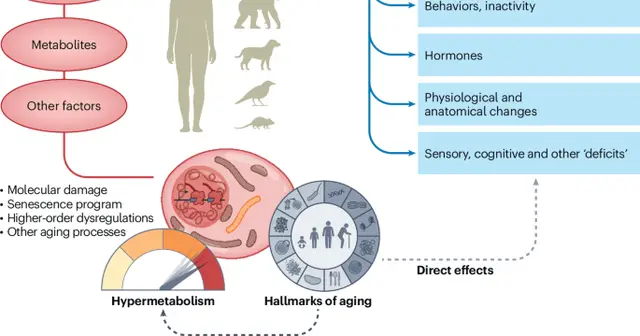
Nature Aging article proposes a brain-body energy model of aging
A perspective article in Nature Aging proposes an energy-conservation model linking the brain and body. It connects brain responses to cytokine signals of hypermetabolism with cellular markers of aging. The idea has not yet been tested.
- 12 days ago
 biorxiv.org
Preprint maps muscle aging cells in 15 human donors
A preprint on bioRxiv, not yet peer reviewed, describes a single-cell atlas of muscle from 15 donors across adult life. The author claims that chronic inflammation plays a major role in human muscle aging.
- 12 days ago nature.com
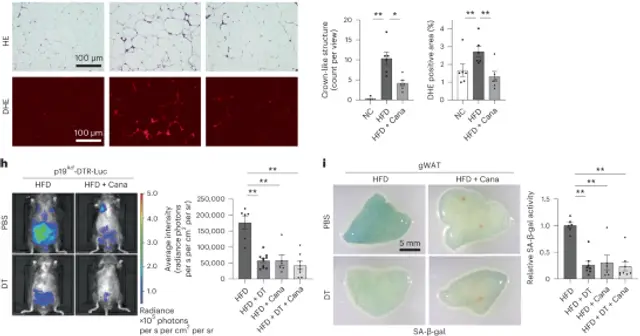
SGLT2 inhibition clears senescent cells and eases aging traits in mice
A study in mice reports that SGLT2 inhibition reduced the burden of senescent cells and eased aging traits, through greater immune surveillance.
- 12 days ago biorxiv.org
Bat longevity and DNA virus-driven adaptation in Myotis species
A comparative genomic study of North American Myotis bats examines genes linked to long life and tolerance of infectious diseases. The work has not yet been peer reviewed.
- 12 days ago biorxiv.org
Loss of H3K9 trimethylation linked to premature aging in a preprint
A bioRxiv preprint, not yet peer reviewed, reports that loss of H3K9 trimethylation leads to premature aging. Epigenetic changes are being studied as a possible driver of aging, relevant to research on healthy longevity.
- 12 days ago biorxiv.org
Machine learning predicts mouse lifespan-extending compounds (preprint)
A preprint on bioRxiv describes a computer model that tries to identify, from mouse lifespan data, which drugs could extend life. The study has not yet been peer reviewed.
- 12 days ago science.org
Partial reprogramming gene therapy extends lifespan in mice
A study in mice from the Belmonte group reports about a 12% increase in lifespan with the Cdkn2a-OSK gene therapy, and about 38% more remaining life when it was started at 18 months of age.
- 12 days ago science.org
Reprogramming old cells extended mouse lifespan and aided wound healing
A study in mice reported that reprogramming old cells with the OSK factors improved wound healing and lifespan without causing cancer. Human trials are described as planned, not as results.
- 12 days ago nature.com
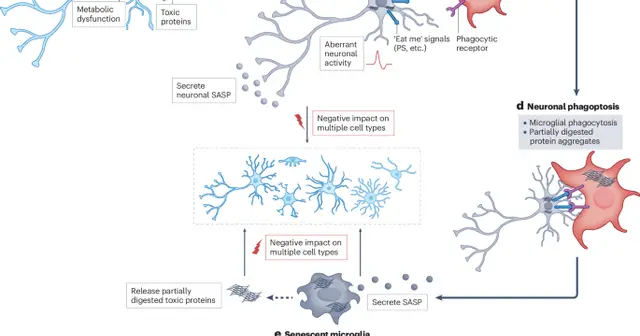
How to target senescent cells in the brain: what a Nature review says
A review published in Nature Reviews Drug Discovery gathers research on senescent cells in the central nervous system, including drugs in development that aim to remove them or modulate their effect on nearby tissue.
- 12 days ago nature.com
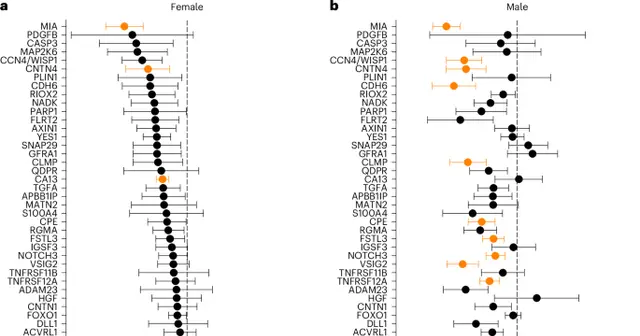
IL-23R flagged as a possible biomarker of aging linked to senescence
A study in mice and human plasma identifies IL-23R as a protein that rises with age and is associated with cellular senescence.
- 12 days ago biorxiv.org
First chromosome-level genome of the Greenland shark
A preprint describes the first chromosome-level genome assembly of the Greenland shark, a long-lived deep-sea species, with 37,125 predicted genes. The study is a genomic analysis, not a trial in people.
- 12 days ago biorxiv.org
Fucoidan linked to longer lifespan in aged mice, preprint finds
A preprint not yet peer reviewed reports that fucoidan, a compound from brown algae, increased median lifespan in aged male mice and reduced frailty and epigenetic age in both sexes. These are animal results and do not show an effect in people.
- 12 days ago science.org
Mitochondrial fatty acid oxidation linked to cellular senescence
A Science Advances article reports that DNA damage response signaling to mitochondria can trigger cellular senescence, with mitochondrial fatty acid oxidation driving the process.
- 12 days ago nature.com
Somatic mutations may drive aging more than epigenetic changes, study finds
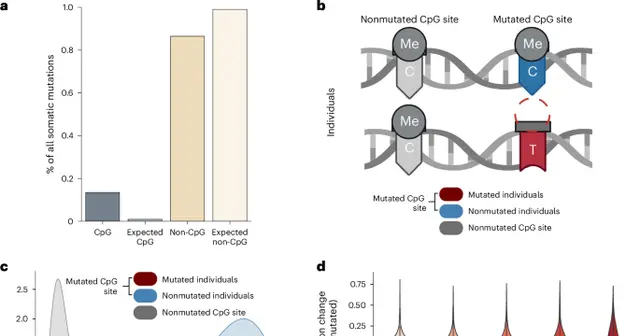
A study published in Nature Aging reports that epigenetic clocks reflect age predictions based on the buildup of somatic mutations, and that mutations at CpG sites coincide with broad changes in the surrounding methylome.
- 12 days ago nature.com
Cell Annealing model proposes resetting cells toward a youthful state
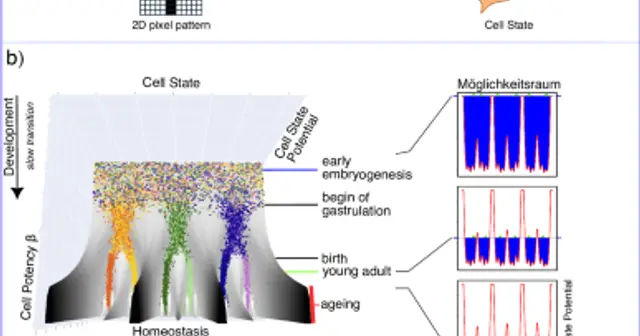
A modeling article in Cell Research describes the Cell Annealing model, which the author links to cells reset to a youthful state. It is a conceptual simulation, not an experiment.
- 12 days ago nature.com
Compound ZYZ-384 reduces aging markers in cell and animal studies
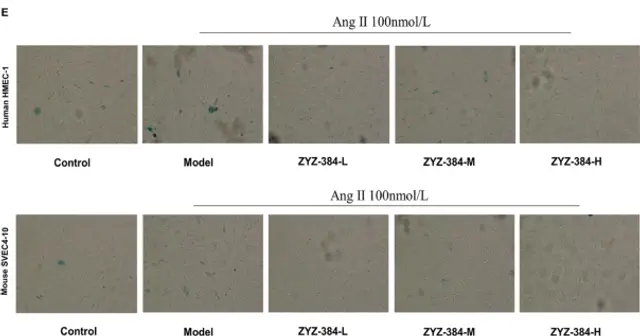
A preclinical study tested the compound ZYZ-384 in senescent endothelial cells and aged animal models, reporting reduced aging markers and inflammatory factors.
- 12 days ago biorxiv.org
Preprint links SRSF1 gene to possible cellular rejuvenation
A preprint not yet peer reviewed reports that a transcriptomic screen identified SRSF1 as a possible cellular rejuvenation factor, within a line of research seeking alternatives to reprogramming methods.
- 12 days ago nature.com
Psilocybin linked to longer cell lifespan and survival in aged mice
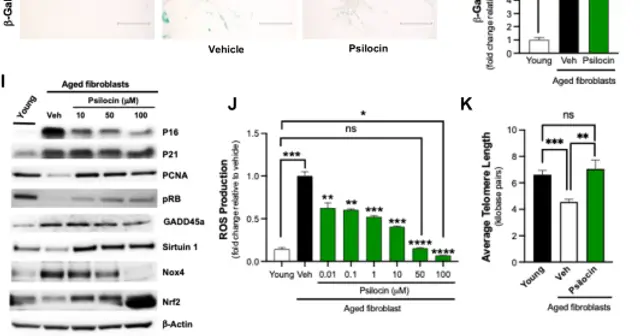
A study in npj Aging reports that psilocybin extended the lifespan of cells and improved survival in aged mice. The findings come from experiments with cells and animals, not people.
- 12 days ago biorxiv.org
Single gene lowers epigenetic age in cultured skin cells, preprint finds
A preprint on bioRxiv, not yet peer reviewed, reports that boosting the activity of one gene lowered estimated epigenetic age in cultured fibroblasts and keratinocytes grown in the laboratory.
- 12 days ago biorxiv.org
Sulforaphane extends lifespan in C. elegans worms in preliminary study
A preprint not yet peer reviewed reports that sulforaphane, a compound found in cruciferous vegetables, extended the lifespan of C. elegans worms by more than 50% at the most effective doses when started early in life.
- 12 days ago science.org
Naked mole rat cGAS mutations may help explain its long lifespan
A publication citing an article in Science reports four mutations in a naked mole rat enzyme, linked to more efficient DNA repair and less inflammation.
- 12 days ago biorxiv.org
Suppressing a stress-response pathway extended fly lifespan in preprint
A preprint study in fruit flies reported that suppressing the GCN2-ATF4 stress-response pathway, rather than activating it, extended lifespan. The work has not yet been peer reviewed.
- 12 days ago nature.com
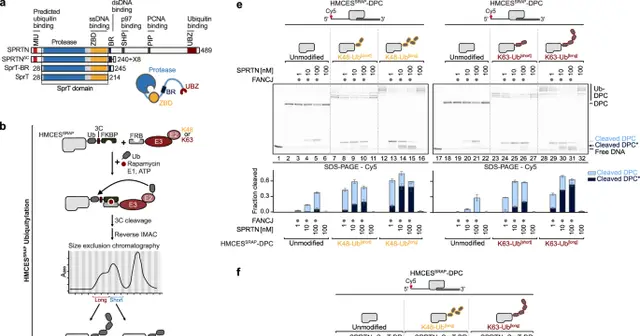
Ubiquitin activates SPRTN protease to repair DNA-protein crosslinks
The article in Nature Communications reports that binding to ubiquitin activates the SPRTN protease, an enzyme that cuts toxic DNA-protein links and supports genome stability during DNA repair.
- 12 days ago biorxiv.org
CD4+ T cells release telomere rivers in a preliminary study on rejuvenation
A preprint on bioRxiv, not yet peer reviewed, describes CD4+ T cells releasing telomere-containing vesicles, called 'rivers', and links their formation to fatty acid oxidation.
Not medical advice · Learn more