


Gut bacterium linked to longer healthspan in aging mice
A study published in Nature Aging links the decline of a gut bacterium with age in human cohort data and, in mice, associates this bacterium with less age-related inflammation. The results do not yet apply directly to people.
Source: Gut Bacterium Linked to Healthspan Extension in Aging Mice (nature.com). Summary written with AI from the source and reviewed by rules; read the original.
What the research shows
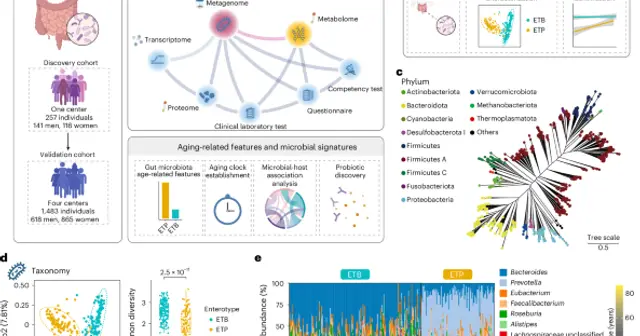
According to the study published in Nature Aging, Bifidobacterium pseudocatenulatum and one of its metabolites declined with age in human cohort data. In experiments with mice, the bacterium given by mouth reduced age-related inflammation and extended the animals' healthspan.
The human data are observational, which shows an association, not a cause. The effect seen in mice is an animal result and does not yet demonstrate benefits for people. The gut microbiome is being studied as a possible factor in aging, but much remains to be clarified about how far this relationship holds in people.
What it means
The research suggests the gut microbiota may be linked to healthy aging, but animal data do not prove an effect in people. It is not yet known whether this bacterium would have a similar effect in humans, or what the safety and duration of any possible effect would be.
How to read it with care
This result does not replace a consultation. Anyone considering a change in diet, supplements or any treatment should first talk to a doctor or another qualified professional.