


Network map of aging biology flags possible repurposable drugs
A network medicine framework maps aging markers as interconnected molecular modules. The authors say it may point to existing drugs with potential to reverse age-related changes.
Source: Network map of aging biology flags possible repurposable drugs (nature.com). Summary written with AI from the source and reviewed by rules; read the original.
What the research shows
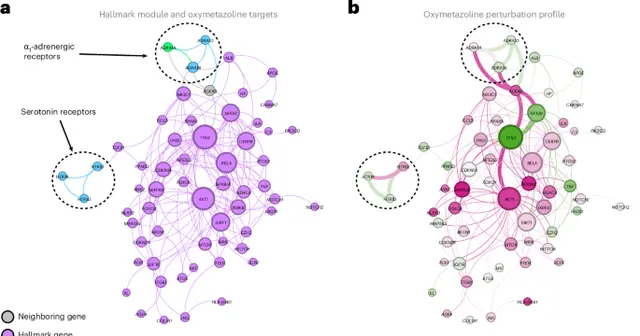
The article describes a network medicine framework that maps markers of aging as interconnected molecular modules. According to the authors, this map may point to existing drugs with potential to reverse age-related changes. They say the approach could guide research with these medicines, which still need to be tested.
Network medicine studies how genes, proteins and biological processes connect, rather than looking at each component on its own. A map like this generates hypotheses and helps prioritize directions for investigation, but it does not prove that a drug works in people. Reversing aging changes is a long-term goal of research, and the distance between a suggestion on a map and a clinical benefit is usually large.
What it means
The finding suggests a way to organize the biology of aging and to choose existing drugs for new testing. It is still unknown whether these medicines work in people or can reverse age-related changes.
How to read it with care
Read with care: a network map suggests hypotheses and does not prove that any drug has an effect. This text does not replace a consultation. Anyone considering a change in diet, supplements or treatment should talk to a doctor or another qualified health professional.