


DNA methylation aging differs across 17 human tissues
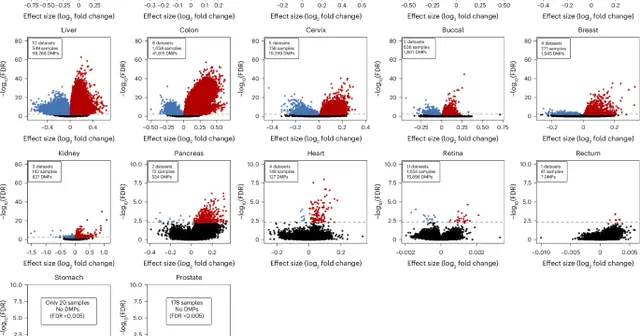
A computational meta-analysis of nearly 16,000 human DNA methylation profiles found aging marks shared across tissues, but also many changes specific to each organ.
Source: DNA methylation aging differs across 17 human tissues (nature.com). Summary written with AI from the source and reviewed by rules; read the original.
What the research shows
The computational meta-analysis examined nearly 16,000 human DNA methylation profiles, chemical marks on DNA that change with age, drawn from 17 different tissues. The authors found aging marks shared across tissues, but also many changes that appear only in a specific tissue. According to the study, organs age at the epigenetic level in different ways.
This is a cross-sectional, computational study, which compares data collected at one point in time and reanalyzes existing information, without following the same people over time. It therefore shows associations, not causes. The authors suggest, as a hypothesis, that cell communication and NAD+ metabolism may be involved, but this explanation still needs testing. Understanding how each organ ages may help research into age-related diseases, although it remains far from clinical use.
What it means
The result suggests that biological aging does not happen equally throughout the body and that the pattern varies by organ. It is still unknown whether these marks cause disease or only accompany aging, or which mechanism produces them.
How to read it with care
This finding does not replace a medical consultation and should not lead to changes in diet, supplements or treatment on your own. Anyone with questions about their health should talk to a doctor or another qualified professional.