


Enzyme reverses protein aging marker in lab and tissue samples
A study in Nature Communications describes an enzyme that can reverse an aging-linked protein damage marker in laboratory experiments and in human tissue samples. The results are preliminary.
Source: Enzyme Reverses Protein Aging Marker in Lab and Tissue Samples (nature.com). Summary written with AI from the source and reviewed by rules; read the original.
What the research shows
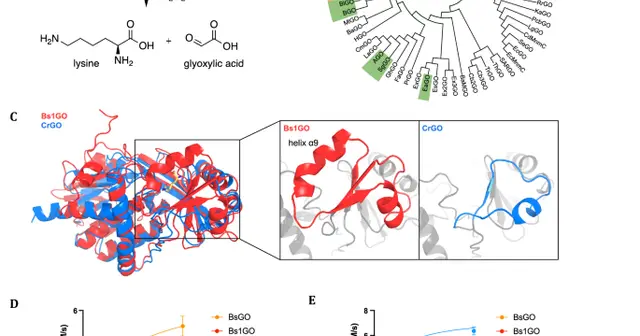
The study in Nature Communications reports CMLase, an enzyme that oxidizes CML, a glycation product linked to aging. According to the authors, the enzyme restores native lysine in vitro and in human tissue samples. The experiments were done in the laboratory and on tissue, not in treated people.
Glycation is a chemical process in which sugars attach to proteins over time, and the buildup of this damage is studied as part of aging. It is not yet known whether this reversal happens inside living organisms, or whether it would have any effect on health. The work asks whether a typical aging-related protein damage can be reversed, but it does not show clinical benefits.
What it means
The finding suggests that a chemical damage linked to protein aging can, in principle, be reversed outside the body. It is not yet known whether this works in living beings, how safe it would be, or whether it would benefit health.
How to read it with care
This result, obtained in laboratory and tissue studies, does not replace a consultation. Anyone considering changes to diet, supplements or treatment should talk to a doctor or another qualified health professional.