


Aging · 7
Research on how we age, healthspan and what the evidence says about slowing it.
- AgingPaper
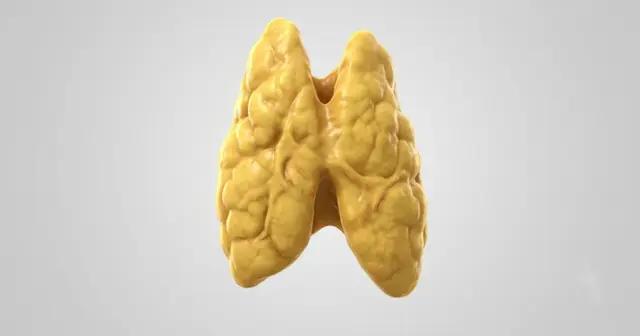
Thymus research aims to slow immune aging
A Nature news article reports that scientists are trying to regenerate the thymus, an immune organ that shrinks with age, in hope of slowing the aging of the body's immune defenses.
- AgingArticle
Wild blueberry metabolites linked to slower telomere shortening in cells
A laboratory study in cells found that metabolites of wild blueberry polyphenols slowed telomere shortening in an in vitro model of metabolic syndrome. The result has not been tested in people.
- AgingArticle
Activating the GPR40 receptor slows thymus aging in mice
A study published in Aging Cell reports that activating the GPR40 receptor in thymic epithelial cells slowed thymic involution, the age-related shrinking of the thymus, in mice.
- AgingPaper
Chemotherapy lowers muscle NAD+ in mice, preprint finds
A preprint in healthy mice reported that common chemotherapy regimens reduced NAD+ in skeletal muscle and, after prolonged treatment, also in the liver. The loss of muscle NAD+ accompanied muscle atrophy. The study has not yet been peer reviewed.
- AgingArticle
Critical review examines myths and limits of popular longevity recipes
A review published in Minerva Medica examines popular claims about living longer and the limits of the available evidence behind each one.
- AgingPost
Engineered enzyme reduces AGE damage in human tissue samples
A proof-of-concept study reports that an engineered enzyme removed AGEs, advanced glycation end products, from human tissue samples, including tissue from a 75-year-old donor.
- AgingArticle
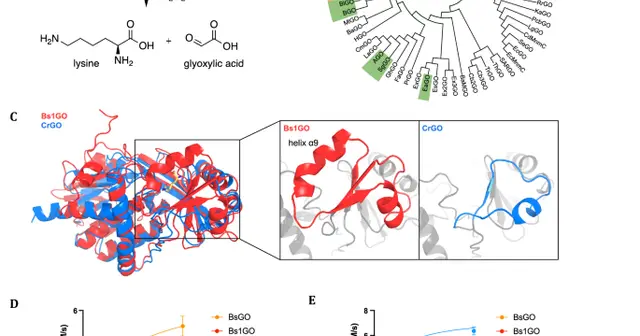
Engineered enzyme removes advanced glycation end products from proteins
Scientists engineered an enzyme that removes an advanced glycation end product from proteins, a change previously considered very difficult to reverse. The work is described as early-stage.
- AgingPaper
Enzyme reverses protein chemical aging in lab and tissue samples
A Nature Communications study describes the enzyme CMLase, which acts on a glycation marker and restores proteins in laboratory tests and in human tissue samples.
- AgingPaper
Fucoxanthin extends lifespan in roundworm study
A study on the roundworm C. elegans found that fucoxanthin, a compound from algae, extended the average lifespan of the animals by 12.1% and slowed the loss of movement. The results come only from laboratory animals.
- AgingPost
Glutamate reduces aging skin cells in pre-clinical study
A report describes glutamate reducing senescent cells in experiments with skin cells. The author describes the work as entirely pre-clinical, meaning it is far from being tested in people.
- AgingArticle
Mathematical model suggests humans could theoretically reach 156 years
A new modelling study suggests a theoretical human lifespan limit of 156 years. It is a model, not a trial in people, and not a prediction about real individuals.
- AgingPost
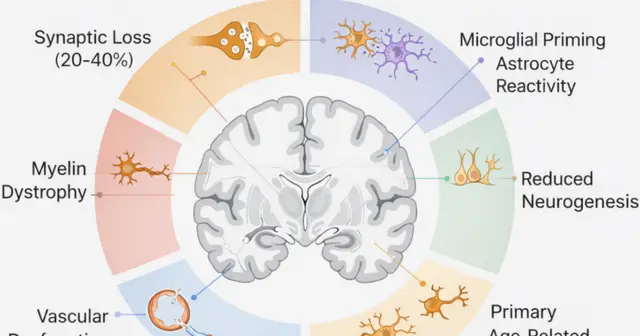
Mouse study links senescent brain immune cells to brain aging
In aged mice, senescent immune cells built up in the brain's white matter. According to the report, targeting these cells reduced cells linked to inflammation. The finding comes from animals and does not yet tell us about people.
- AgingPost
Nervous system imbalance as a possible starting driver of aging
A perspective published in the journal npj Aging proposes that chronic sympathetic dominance and lower parasympathetic tone may drive markers of aging. It is a theoretical hypothesis still under discussion.
- AgingArticle
Paper proposes testing Hydra genes in rotifers to extend lifespan
An article in the journal Aging hypothesizes that introducing gene expression profiles similar to those of Hydra into rotifers could extend healthspan and reduce age-related mortality. It is a research proposal, not a tested result.
- AgingPaper
Blocking R-loop export from aging cells reduces inflammation, study finds
A study in Nature Aging, based on cells and animals, reports that blocking XPO1 reduced R-loop export and aging-related inflammation.
- AgingPost
Blocking the EP2 receptor restores immune cleanup in aged mice
A Stanford study in aged mice suggests that tissue macrophages lose the ability to clear senescent neutrophils with age, and that blocking the EP2 receptor restored this cleanup, reducing inflammation and preserving organs.
- AgingArticle
Cell study reports rejuvenation without full pluripotency reprogramming
A laboratory study of human cells reports that cellular rejuvenation may be separated from full pluripotency reprogramming. This is early, cell-level evidence and not a treatment.
- AgingPost
Engineered enzyme reportedly clears sugar damage from donor aorta tissue
A publication cites a Nature Communications study in which an engineered enzyme reportedly removed more than 70% of a sugar-related damage product from donor aorta tissue. It is early tissue research.
- AgingArticle
Heliconius butterflies as a possible new model for longevity research
A report says Heliconius butterflies may live up to 25 times longer than related species while keeping their muscle function. According to the linked BioTechniques article, this reflects an evolutionary strategy for extending life.
- AgingArticle
mTORC1 as a possible driver of brain aging: what a review says
A review describes the protein mTORC1 as a possible factor in brain aging when it stays chronically overactive, linked to mitochondrial dysfunction and neuroinflammation.
- AgingPaper
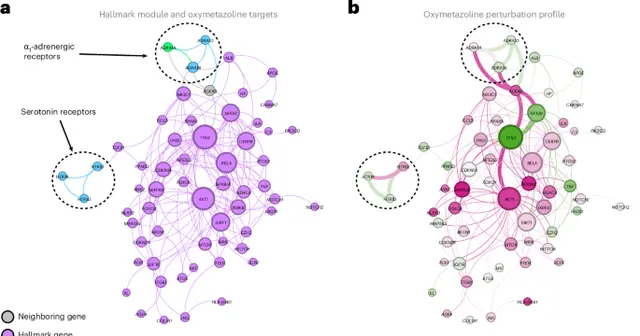
Network map of aging biology flags possible repurposable drugs
A network medicine framework maps aging markers as interconnected molecular modules. The authors say it may point to existing drugs with potential to reverse age-related changes.
- AgingPaper
Senescent Microglia Found in the White Matter of Aged Mouse Brains
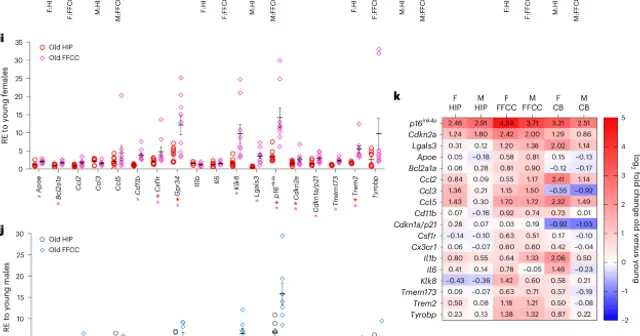
A study in aged mice identified a group of microglia showing signs of senescence and inflammation, concentrated in the white matter near the hippocampus. Reducing cells marked by p16 or BCL2 lowered this population, but cognition was not tested.
- AgingPost
Thymulin and immune recovery in aged mice
A social media post reports that the hormone thymulin restored immune function in aged mice and reduced inflammation and tumor growth. These results come from animals, not people.
- AgingPost
Thymulin peptide suppresses age-related inflammation in an experimental model
An article citing Eric Topol reports that thymulin, a peptide derived from the thymus, suppressed age-related inflammation and helped protect against cancer in an experimental model. The finding is early and should not be read as a result in people.

 biorxiv.org


Not medical advice · Learn more