


Aging · 8
Research on how we age, healthspan and what the evidence says about slowing it.
- AgingPaper
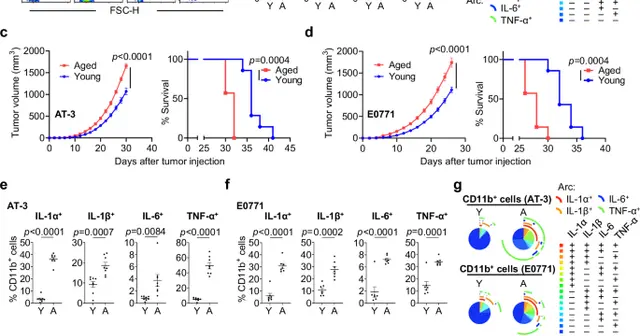
Thymulin Shown to Curb Age-Related Inflammation in Mice
A Nature Communications study in mice reports that thymulin, a peptide derived from the thymus, suppressed chronic pro-tumor inflammation in aged animals and improved cancer immunotherapy in the experimental model.
- AgingPaper
Blood Stem Cells Reset to Younger Epigenetic Age in the Lab: Preliminary Study
A bioRxiv preprint reports that lab-grown human blood stem cells had their epigenetic age reset to near zero, an effect that held through serial transplantation in animals.
- AgingPost
Brain immune cells may be replaced by inflammatory cells with age
A study cited in a news article reports that brain microglia may be replaced by inflammatory cells similar to monocytes, linked to changes in DNA methylation, aging and dementia.
- AgingPost
Cell Types May Age at Different Rates
A study of 60,542 participants, published in Nature Medicine, built aging clocks for each cell type using blood samples. The article reports that accelerated muscle aging predicted death from any cause better than other measures.
- AgingPost
Compound boosts a muscle repair signal in cell and mouse studies
A report on cell and mouse experiments states that lipoic acid trisulfide more than doubled the binding of a muscle repair signal (HGF) to its receptor in laboratory tests. There are no human trials yet.
- AgingPost
Cross-tissue map of DNA methylation changes with human aging
A Nature Aging study published in 2026 maps more than 15,000 DNA methylation profiles across 17 human tissues, finding aging signatures shared across tissues and others specific to each tissue.
- AgingArticle
Metformin plus taurine and bone loss in aging mice
A study in 18-month-old male mice tested metformin combined with taurine for 8 weeks and looked at age-related bone loss and the function of bone marrow stem cells. Because it was done in animals, it does not show what would happen in human bones.
- AgingArticle
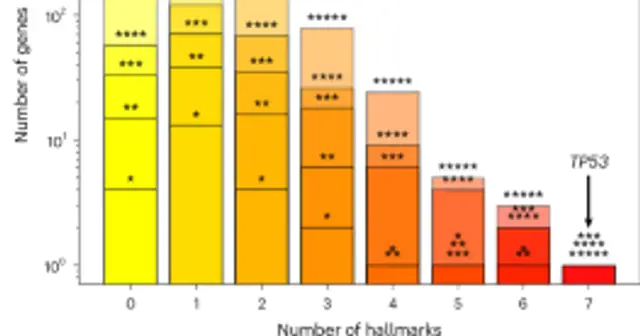
Network map links aging hallmarks to repurposable drug candidates
A computational network study in Nature Aging maps longevity genes and screens thousands of existing drugs for effects linked to aging. The findings are early and have not been tested in people.
- AgingArticle
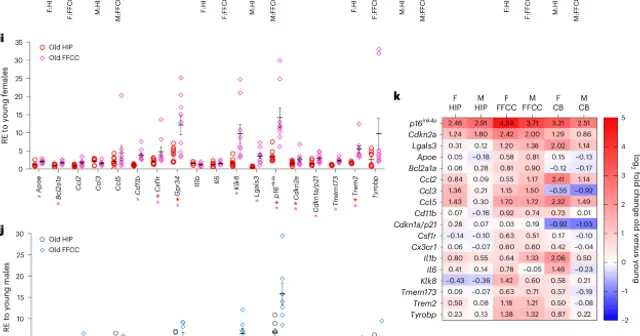
Senescent microglia in aged mouse brain white matter reduced by senolytics
A study in aged mice mapped a senescence-linked microglia state concentrated in the brain's white matter, and senolytic treatment reduced that state.
- AgingPaper
Shared gene expression signatures of ageing across mammals
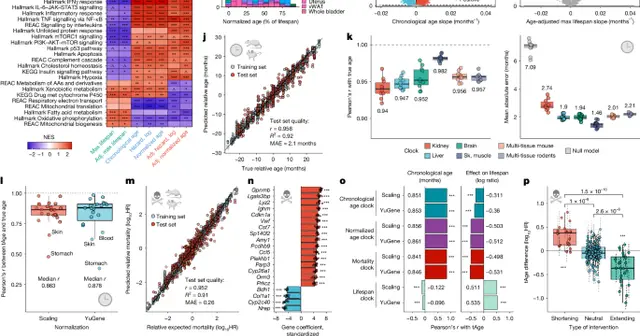
A study published in Nature combined gene expression data from 4 mammal species and 25 tissues. The authors describe ageing and mortality signatures that are conserved across species, grouped into 28 biological modules.
- AgingPost
Aging Markers in Mice Reverse After Separation From Old Blood
A study in the journal Cell Metabolism, conducted in mice, reports that accelerated aging markers in young mice exposed to old blood returned toward normal about two months after the separation.
- AgingPost
Azelaic Acid Extended Lifespan in C. elegans Roundworm Study
A study on the roundworm C. elegans found that azelaic acid reduced reactive oxygen species, increased superoxide dismutase activity and extended lifespan, an effect linked to the insulin signaling pathway. The authors suggest it may be an anti-aging candidate.
- AgingPost
Blood-based cell-type aging estimates linked to future disease
A study described in a social media post analyzed over 7,000 blood proteins in more than 60,000 people and linked the biological age of cell types to diseases over 15 years.
- AgingPaper
Gut bacterium linked to longer healthspan in aging mice
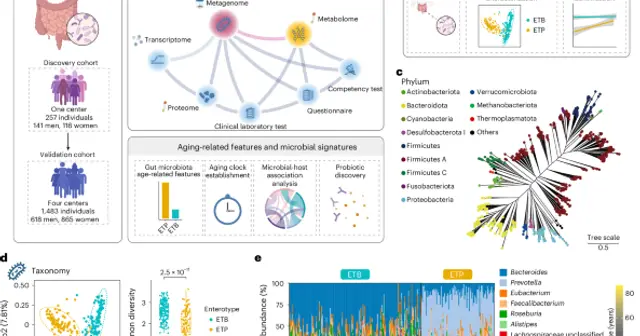
A study published in Nature Aging links the decline of a gut bacterium with age in human cohort data and, in mice, associates this bacterium with less age-related inflammation. The results do not yet apply directly to people.
- AgingArticle
Immune-aging clock suggests faster aging after COVID-19
A study of 195 adults and 94 people with data from before and after COVID-19 built an aging measure based on the immune repertoire.
- AgingPost
Osaka University study points to protein AP2A1 in cell aging
Researchers at Osaka University identified the protein AP2A1, which may help determine whether cells stay active or enter senescence, an aged state.
- AgingPost
Plasma exchange in older adults linked to younger aging clock scores
A small placebo-controlled trial of 42 older adults linked plasma exchange to aging clock scores that showed a younger biological age. The result is preliminary and the effect is not yet proven.
- AgingPost
Resveratrol Linked to Less Skin Thinning in Mice
A study in mice found that resveratrol slowed age-related skin thinning. In human skin cells, lower levels of SIRT1 increased markers of senescence. The results are preliminary and come from animals and cells.
- AgingPost
TIMP2 restored brain immune cells in aged mice, study reports
In mice, restoring the TIMP2 protein moved aged microglia away from inflammatory states and improved debris clearance. The results come from animals and have not been tested in people.
- AgingArticle
ARPA-H proposes measuring healthy aging through intrinsic capacity
A report from the US government research agency ARPA-H describes the PROSPR program, which uses strength, mobility, cognition and vitality to measure healthy aging over practical timeframes.
- AgingPost
DNA methylation clocks: cause or reflection of aging?
A gerontology researcher explains how DNA methylation clocks estimate biological age from specific sites in blood samples, and discusses whether they control aging or only reflect it.
- AgingArticle
Gene Therapy in Aged Mice Shows Healthspan Gains in Animal Study
A study in aged mice reports that a single dose of AAV-FGF21 gene therapy reduced excess weight, improved blood sugar and insulin sensitivity, and was associated with about 20% longer lifespan in the animals.
- AgingPaper
Gut bacterium linked to aging and inflammation in mice
A Nature Aging study links a decline in one gut bacterium with age in human cohort data. In mice, studies reported less age-related inflammation and greater healthspan.
- AgingPost
Gut bacterium linked to aging improves signs of aging in old mice
A study of aged mice published in Nature Aging found that an isolated gut bacterium improved intestinal barrier function and inflammation. The authors also observed that this bacterium decreases with age in human samples.
 biorxiv.org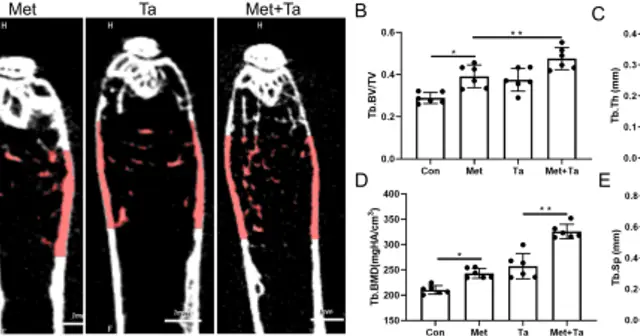
Not medical advice · Learn more