


Aging · 9
Research on how we age, healthspan and what the evidence says about slowing it.
- AgingPaper
Healthy Diets Linked to Slower Epigenetic Aging in Over 7,000 Adults
A study of more than 7,000 adults linked Mediterranean, DASH and plant-based diets to slower biological aging, measured with epigenetic clocks. The findings are observational and do not prove cause.
- AgingPaper
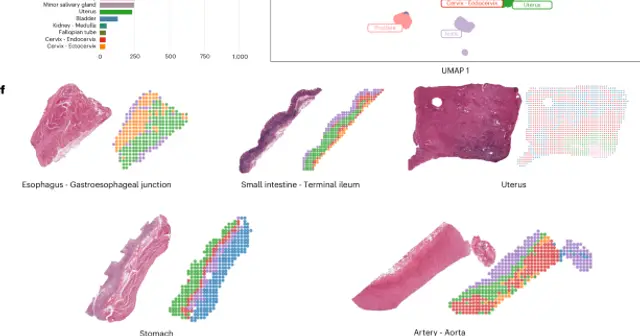
Mapping structural aging across human tissues
A Nature Aging study describes a way to measure the structural aging of organs using images of human tissue, without relying on chronological age as a reference.
- AgingPost
Mouse embryo study links DNA methylation patterns to epigenetic rejuvenation
A study in mouse embryos links patterns of DNA methylation to what is called epigenetic rejuvenation. The authors classify the statistical significance as exploratory, not confirmatory.
- AgingArticle
New Paper Links SIRT1 Enzyme to Retrotransposon RNA in Aging
A new paper reports that the SIRT1 enzyme suppresses retrotransposon RNA, a process linked to aging. The author of the post suggests this could be a possible way to slow aging.
- AgingPost
Self-contracting muscle implant and health markers in aging mice
A report on a mouse study indicates that self-contracting muscle grafts increased muscle mass, strength and bone density, and reduced fat and inflammation. The results are early, come from animals, and do not yet show whether the effects occur in people.
- AgingPost
TIMP2 protein restores some aged brain immune cell function in mice
In 20-month-old mice, restoring the TIMP2 protein moved brain immune cells called microglia away from inflammatory states and improved clearance of cell debris, according to the study. The results come from animals only.
- AgingArticle
AI-Designed Drug Linked to Signs of Slower Aging: Early Data
A New York Times article, cited by another publication, reports early data on rentosertib, an AI-supported drug candidate for a rare lung disease. The manufacturer claims it also appears to reduce biological markers of aging.
- AgingPost
AI-designed drug shifted aging clocks in small lung fibrosis trial
A phase 2a trial of 42 people with idiopathic pulmonary fibrosis treated with rentosertib found that blood-protein aging clocks showed younger ages than placebo, especially at week 4. The findings are early and based on a small group.
- AgingArticle
Cellular senescence and DNA mutations as possible drivers of aging
A research article discusses which cellular mechanisms of aging have the strongest causal evidence, comparing cellular senescence with somatic DNA mutations.
- AgingPost
Early mouse data on the SL-100 chemical reprogramming cocktail in aging
A conference presentation reported early, unpublished data in rapidly aging mice. Animals given the SL-100 cocktail kept their weight and were less frail than untreated animals.
- AgingPost
First human trial of cellular reprogramming targets the eye
A publication reports the first human patient treated with ER-100, an OSK gene therapy aimed at the eye. The initial goal is to assess safety, not to prove benefits.
- AgingArticle
Gene screen finds factors that protect retinal cells in aging
A preprint, not yet peer reviewed, reports a genomic screen in human retinal cells that identified nine protective genes. The authors claim that the gene NKX2-5 restored vision and improved health in aged mice.
- AgingArticle
Gut bacteria polyamine linked to longer fruit fly lifespan in study
A study in fruit flies linked gut bacteria that produce putrescine to a longer average lifespan in males. It is early animal research, with no direct evidence in humans.
- AgingPaper
IGFBP5 restores aging dental stem cells in rat study
A preclinical study reports that restoring the IGFBP5 protein in aged human dental follicle stem cells reduced signs of senescence and improved their ability to form bone in laboratory work. A hydrogel containing these cells also improved bone regeneration in rats with periodontitis.
- AgingPost
Inflammation-linked structures in aging cells: a preliminary Harvard lab finding
A Harvard postdoctoral researcher presented at a conference on structures called inflammasome-like bodies, made of three proteins, in aging cells. The work is early and has not yet been published.
- AgingPost
Pilot mouse study reports protection against frailty and longer life
A pilot study in rapidly aging mice, presented at a congress, reports protection against frailty and a maximum lifespan extended by more than 33%. The results are preliminary and come from animals.
- AgingPost
Preprint suggests epigenetic disorder rises with age in mammals
A preprint asks whether the epigenome becomes more disordered with aging. According to the publication, the answer appears to be yes in mammals, but the study has not yet undergone peer review.
- AgingPost
Seven proposed hallmarks of muscle health, with regeneration among them
A review in Nature Metabolism, written by muscle biologists, proposes seven interconnected hallmarks of muscle health. The third is regenerative capacity, supported by satellite stem cells.
- AgingPost
SIRT6 and longevity: what a social media post claims and what still needs proof
A social media post presents the protein SIRT6 as a key to longevity. The post cites no study, so its claims need checking against primary research.
- AgingArticle
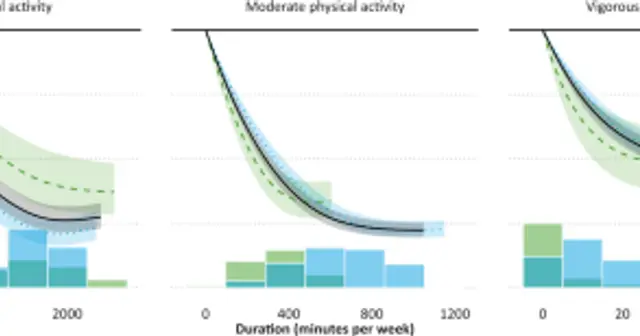
Vigorous physical activity and mortality in 147,414 adults
An observational study of 147,414 adults aged 40 to 74 from NAKO and UK Biobank examined the intensity of physical activity, measured with devices, and the risk of death.
- AgingArticle
FTL1 protein linked to brain aging and memory decline in mice
A study in older mice linked higher levels of the FTL1 protein to weaker connections between brain cells and poorer memory. When FTL1 was reduced, the connections and memory of these animals recovered.
- AgingPaper
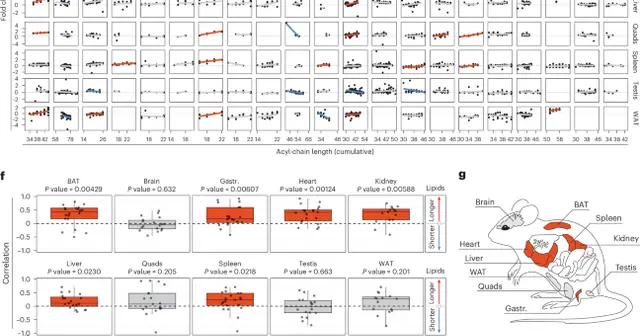
Longer lipid chains mark aging and limit lifespan in worms
An article in the journal Nature Aging reports that lipid acyl chains lengthen with age across several species, tissues and the progression of heart disease. In worms, targeting the enzyme Plb1 extended the animals' lifespan.
- AgingArticle
Mitochondrial DNA, cGAS-STING and aging: what a Frontiers in Immunology article proposes
A Frontiers in Immunology article proposes a link between mitochondrial balance and aging through the mtDNA-cGAS-STING pathway, with a possible role in immune activity and age-related diseases.
- AgingArticle
Telomeres and aging: a review argues that aging is a regulated process
An opinion review examines Michael Fossel's book Reversal, which proposes that telomere shortening is more than a marker of aging. The review argues that aging is genetically regulated rather than mainly the accumulation of damage.
 doi.org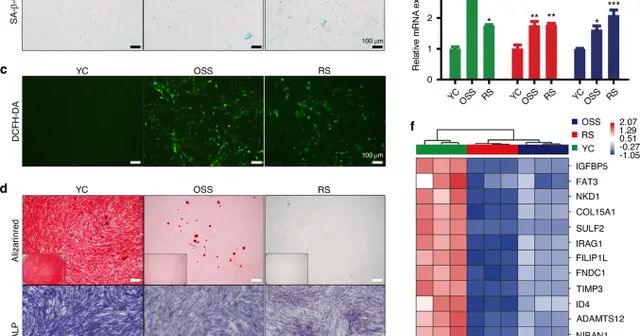


Not medical advice · Learn more