


Senescent microglia in aged mouse brain white matter reduced by senolytics
A study in aged mice mapped a senescence-linked microglia state concentrated in the brain's white matter, and senolytic treatment reduced that state.
Source: Senescent microglia in aged mouse brain white matter reduced by senolytics (doi.org). Summary written with AI from the source and reviewed by rules; read the original.
What the research shows
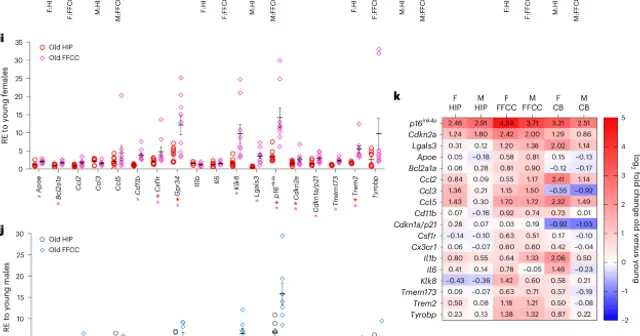
The study was carried out in aged mice. Researchers mapped a state of microglia, the immune cells of the brain, that is linked to senescence, a process in which cells stop dividing and begin releasing substances that can affect nearby tissue. This state was concentrated in the white matter, the brain region made mostly of nerve fibers. When the animals received senolytic treatment, a approach aimed at removing senescent cells, this state was reduced. These findings come from animal research, not from trials in humans.
The context helps with reading. Changes in brain cells with aging are studied because they may relate to changes in brain function, but a map in mice does not show by itself that the same happens in people. Approaches that target senescent cells are still at the research stage, and their effects in humans, their safety and their clinical usefulness are not established by this work.
What it means
The result suggests that the brain's immune cells change with age and that these signs can be reduced in mice. It is not yet known whether the same happens in humans, or whether such a reduction would benefit brain health.
How to read it with care
This result does not replace a consultation. Anyone considering a change in diet, supplements or any treatment should talk to a doctor or another qualified health professional.