


Network map links aging hallmarks to repurposable drug candidates
A computational network study in Nature Aging maps longevity genes and screens thousands of existing drugs for effects linked to aging. The findings are early and have not been tested in people.
Source: Network map links aging hallmarks to repurposable drug candidates (doi.org). Summary written with AI from the source and reviewed by rules; read the original.
What the research shows
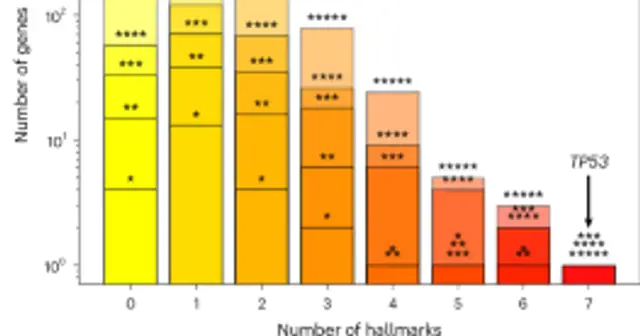
A computational network study, published in the journal Nature Aging, mapped 2,358 longevity genes onto the human interactome, the network of protein interactions. In this network, nine of the 11 hallmarks of aging formed connected modules. The authors also analyzed 6,442 drugs for effects linked to these hallmarks, using a new metric developed for the work.
The study points to a method for searching existing medicines that may affect molecular changes associated with aging. Because it is a computational analysis, it did not involve people, animals or lab cells, and it does not measure real health effects. Mapping work like this can guide future research, which would need to test each candidate in experiments and then in clinical trials before any conclusion about safety or benefit.
What it means
This is an early computational finding: it shows how genes and drugs may relate within a network, but it does not prove that any medicine slows aging. It is not yet known which candidates would hold up in laboratory or human testing.
How to read it with care
A computational result like this does not replace a medical consultation. Anyone considering a change in diet, supplements or treatment should talk to a doctor or another qualified health professional.