


Aging · 2
Research on how we age, healthspan and what the evidence says about slowing it.
- AgingArticle
Single gene change extends fruit fly lifespan by up to 30%
A report describes an experiment with fruit flies in which changing a single gene extended the animals' lifespan by up to 30%. The finding comes from animals and does not show the same effect in people.
- AgingArticle
AP2A1 protein linked to reversing cellular aging
A Newsweek report says bioengineers have identified the AP2A1 protein, linked to reversing cellular aging, with possible relevance for age-related diseases.
- AgingArticle
Clusterin proposed as a marker of aging in blood stem cells
Researchers from the University of Tokyo propose clusterin as a marker of aging-related changes in blood stem cells, which could help track this process over a lifetime.
- AgingArticle
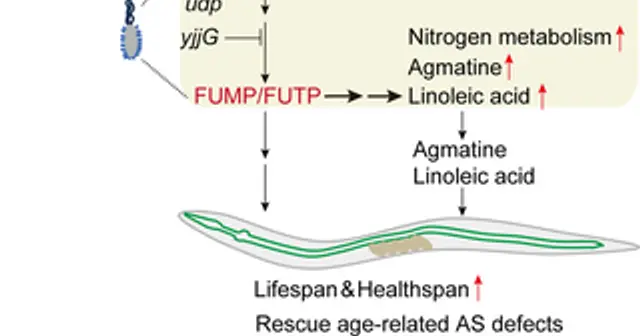
Doxifluridine extends worm lifespan through bacterial metabolism
A study in C. elegans worms found that doxifluridine reversed age-associated splicing defects and extended the animals' lifespan. The results are preliminary and have not been tested in people.
- AgingArticle
Experts reach consensus on 14 candidate biomarkers of aging
An expert panel agreed, with at least 70%, on a list of 14 possible markers of biological aging, but did not present the list as definitive.
- AgingPaper
First chromosome-level genome of the Greenland shark
A preprint describes the first chromosome-level genome assembly of the Greenland shark, a long-lived deep-sea species, with 37,125 predicted genes. The study is a genomic analysis, not a trial in people.
- AgingPaper
Fucoidan linked to longer lifespan in aged mice, preprint finds
A preprint not yet peer reviewed reports that fucoidan, a compound from brown algae, increased median lifespan in aged male mice and reduced frailty and epigenetic age in both sexes. These are animal results and do not show an effect in people.
- AgingArticle
Hungarian worm study on slowing ageing: what can be concluded
A social media post, based on a UNILAD article, cites experiments with worms by a Hungarian university on ageing. The study is in animals and does not directly show what happens in people.
- AgingPaper
Mitochondrial fatty acid oxidation linked to cellular senescence
A Science Advances article reports that DNA damage response signaling to mitochondria can trigger cellular senescence, with mitochondrial fatty acid oxidation driving the process.
- AgingPaper
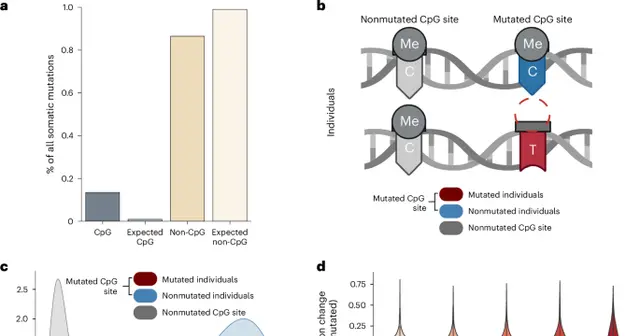
Somatic mutations may drive aging more than epigenetic changes, study finds
A study published in Nature Aging reports that epigenetic clocks reflect age predictions based on the buildup of somatic mutations, and that mutations at CpG sites coincide with broad changes in the surrounding methylome.
- AgingArticle
Withaferin A, oxidative stress and sirtuins in cellular senescence
A study reports that withaferin A may regulate senescence and neuronal differentiation through oxidative stress and sirtuins. This is early research, not health guidance.
- AgingArticle
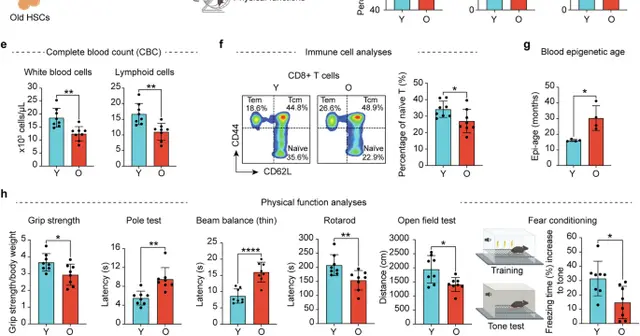
Young blood stem cells may ease aging signs in old mice
A study in mice reports that transplanting young hematopoietic stem cells into old mice eased aging-related traits and extended their lifespan. The evidence comes from animal research, not trials in humans.
- AgingArticle
Age-resistant stem cells reported to improve tissue health in monkeys
A news article reports that a study in monkeys found age-resistant human stem cells improved brain, bone and tissue health, with no side effects reported.
- AgingPaper
Cell Annealing model proposes resetting cells toward a youthful state
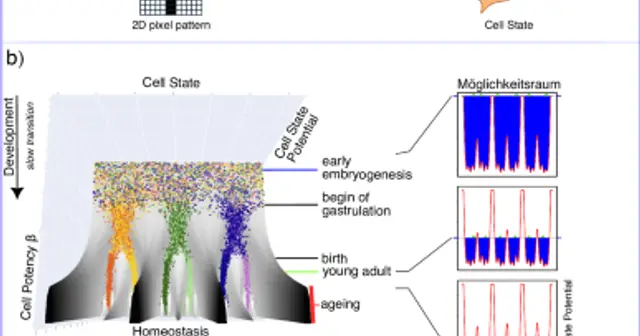
A modeling article in Cell Research describes the Cell Annealing model, which the author links to cells reset to a youthful state. It is a conceptual simulation, not an experiment.
- AgingArticle
Chemical reprogramming eases aging markers and extends lifespan
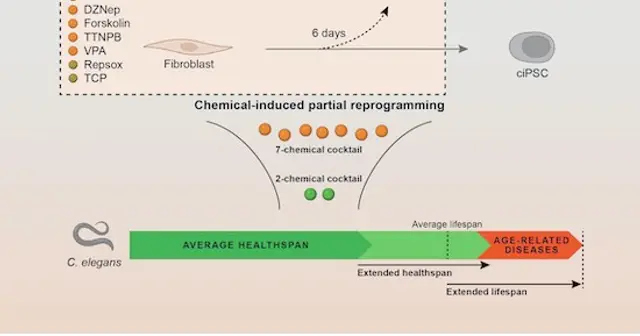
A study published in EMBO Molecular Medicine reports that cocktails of small molecules reduced cellular aging markers and extended lifespan. It is early research, not a treatment.
- AgingPaper
Compound ZYZ-384 reduces aging markers in cell and animal studies
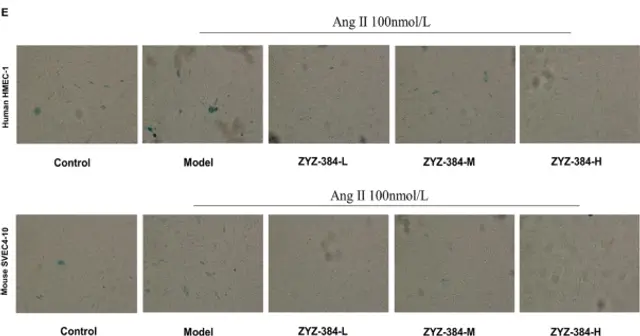
A preclinical study tested the compound ZYZ-384 in senescent endothelial cells and aged animal models, reporting reduced aging markers and inflammatory factors.
- AgingArticle
Human protein found to help repair damaged DNA, study says
Researchers at Macquarie University report that a protein naturally present in human cells takes part in repairing damaged DNA, with possible relevance to age-related diseases.
- AgingArticle
Poster proposes that somatic mutations and cancer risk may help drive aging
A theoretical poster presented at a German aging congress proposes that cancer risk has been a dominant force in the evolution of aging.
- AgingPaper
Preprint links SRSF1 gene to possible cellular rejuvenation
A preprint not yet peer reviewed reports that a transcriptomic screen identified SRSF1 as a possible cellular rejuvenation factor, within a line of research seeking alternatives to reprogramming methods.
- AgingPaper
Psilocybin linked to longer cell lifespan and survival in aged mice
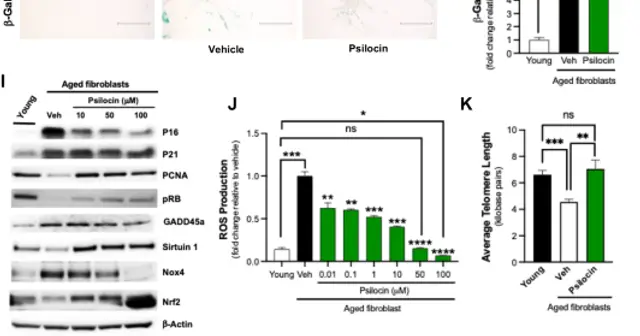
A study in npj Aging reports that psilocybin extended the lifespan of cells and improved survival in aged mice. The findings come from experiments with cells and animals, not people.
- AgingArticle
Seaweed fucoidan linked to fewer senescent cells in mice, preprint study finds
A preprint study in mice reports that a seaweed sugar compound, fucoidan-FV, reduced senescent cells and improved DNA repair. The author claims it improved the animals' health. This is early animal research, not human evidence.
- AgingPaper
Single gene lowers epigenetic age in cultured skin cells, preprint finds
A preprint on bioRxiv, not yet peer reviewed, reports that boosting the activity of one gene lowered estimated epigenetic age in cultured fibroblasts and keratinocytes grown in the laboratory.
- AgingPaper
Sulforaphane extends lifespan in C. elegans worms in preliminary study
A preprint not yet peer reviewed reports that sulforaphane, a compound found in cruciferous vegetables, extended the lifespan of C. elegans worms by more than 50% at the most effective doses when started early in life.
- AgingArticle
Declining menin in hypothalamus linked to aging in mice
A study in mice reports that falling menin levels in the hypothalamus trigger inflammation and speed up aging. Raising menin or giving D-serine restored memory, learning and physical vitality in older mice.

 biorxiv.org

Not medical advice · Learn more