


Psilocybin linked to longer cell lifespan and survival in aged mice
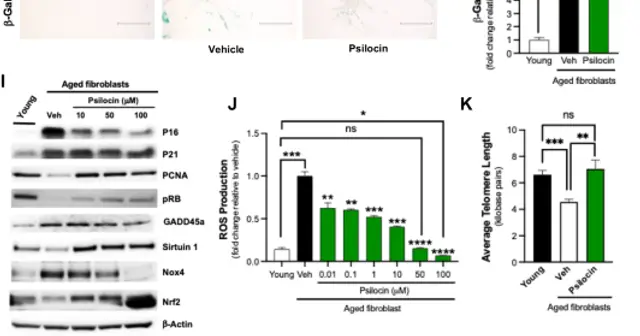
A study in npj Aging reports that psilocybin extended the lifespan of cells and improved survival in aged mice. The findings come from experiments with cells and animals, not people.
Source: Psilocybin Linked to Longer Cell Lifespan and Survival in Aged Mice (nature.com). Summary written with AI from the source and reviewed by rules; read the original.
What the research shows
The study, published in npj Aging, reports that treatment with psilocybin extended cell lifespan and improved survival in aged mice. The findings come from experiments with cells and animals, not people.
Research on aging in animals and cells is an early step. It helps scientists understand biological processes, but it does not show whether psilocybin would affect human longevity. Results in mice do not always carry over to people, and the effects of a psychoactive substance on the human body require specific, careful clinical studies.
What it means
The finding suggests that psilocybin may influence processes linked to aging in mice and in cells. It is not yet known whether this happens in people, or what the safety and long-term effects would be in humans.
How to read it with care
Read this result with caution: it does not replace a medical consultation. Anyone considering a change in diet, supplements or treatment should talk to a doctor or another qualified health professional.