


Somatic mutations may drive aging more than epigenetic changes, study finds
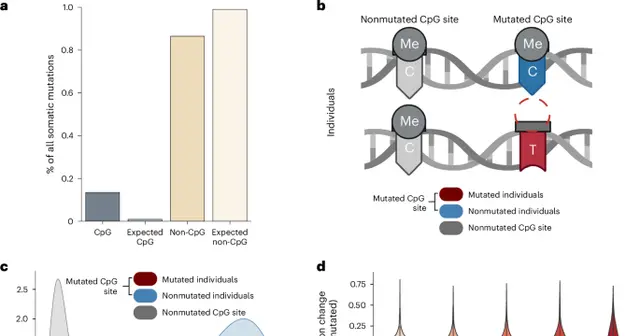
A study published in Nature Aging reports that epigenetic clocks reflect age predictions based on the buildup of somatic mutations, and that mutations at CpG sites coincide with broad changes in the surrounding methylome.
Source: Somatic mutations may drive aging more than epigenetic changes, study finds (nature.com). Summary written with AI from the source and reviewed by rules; read the original.
What the research shows
The study published in Nature Aging looked at the relationship between two kinds of biological markers linked to aging. According to the report, epigenetic clocks, tools that estimate biological age from DNA methylation patterns, reflect age predictions based on the buildup of somatic mutations, which are genetic changes acquired over a lifetime. The authors also report that mutations at CpG sites coincide with broad changes in the methylome in the surrounding regions.
The main reading is that the accumulation of mutations may play a more important role in aging than epigenetic changes alone, which are often used as indicators. Because the results describe coincidences between phenomena, they point to associations and do not by themselves show which comes first. Still, the work helps define which biological mechanisms look most promising for future research on aging.
What it means
The finding suggests that mutations building up in DNA may be more closely tied to aging than epigenetic clocks alone would indicate. It is still unclear how these processes interact in people, or whether acting on them would slow aging.
How to read it with care
A result like this does not replace a consultation. Anyone considering a change in diet, supplements or treatment should talk to a doctor or another qualified health professional.