


Compound ZYZ-384 reduces aging markers in cell and animal studies
A preclinical study tested the compound ZYZ-384 in senescent endothelial cells and aged animal models, reporting reduced aging markers and inflammatory factors.
Source: Compound ZYZ-384 reduces aging markers in cell and animal studies (nature.com). Summary written with AI from the source and reviewed by rules; read the original.
What the research shows
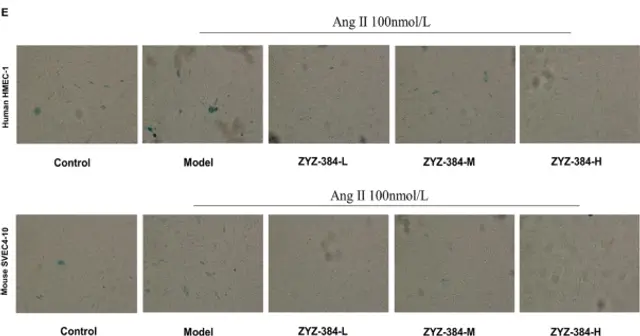
The study tested ZYZ-384, a small-molecule inhibitor of the protein SMYD3, in senescent endothelial cells, which are aged cells that have stopped dividing, and in aged animal models. According to the study, the compound reduced aging markers and inflammatory factors linked to the SASP, a set of substances released by senescent cells.
Senescent cells and chronic inflammation are linked to age-related diseases, which is why researchers study ways to reduce these effects. However, this is preclinical work done in cells and animals, and there is no evidence yet of effects in people. These results do not show whether the substance would be safe or effective in humans.
What it means
The results suggest the compound reduced signs of cellular aging and inflammation in cells and animals. It is still unknown whether the effect would occur in people, how safe it would be, or how long any effect would last.
How to read it with care
This study does not replace a medical consultation. If you are considering changes to your diet, supplements, or any treatment, talk with a doctor or another qualified health professional first.