


AP2A1 protein linked to reversing cellular aging
A Newsweek report says bioengineers have identified the AP2A1 protein, linked to reversing cellular aging, with possible relevance for age-related diseases.
Source: Bioengineers report protein linked to reversing cellular aging (newsweek.com). Summary written with AI from the source and reviewed by rules; read the original.
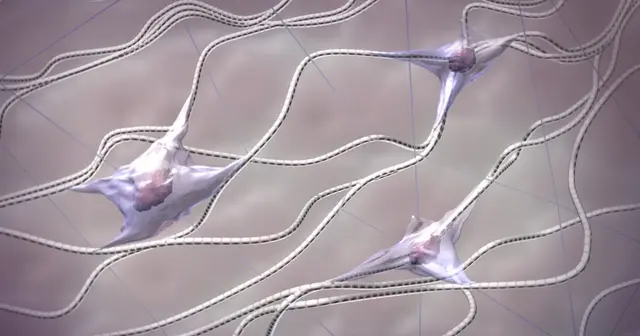
What the research shows
A Newsweek report says bioengineers have identified the AP2A1 protein, linked to reversing cellular aging and senescence, the process in which cells stop dividing and build up damage. According to the researchers cited, the finding could pave the way for treatments of age-related diseases.
This text is a journalistic summary of a scientific work, and findings about cell mechanisms are often early. Research of this kind is frequently carried out in isolated cells or animal models before any testing in people, and it can take years to become treatments. Understanding how cells reverse senescence can guide future research, but it does not yet show a benefit for human health.
What it means
The finding suggests that the AP2A1 protein may be involved in processes that help aged cells function again, which matters for research on age-related diseases. It is not yet known whether this mechanism could be used safely in people. The next steps would be to confirm the results and test their effects.
How to read it with care
Read this news as an early research signal, not as a promise of treatment. This result does not replace a medical consultation. Anyone considering a change in diet, supplements or any treatment should talk to a doctor or another qualified health professional.