


IL-23R flagged as a possible biomarker of aging linked to senescence
A study in mice and human plasma identifies IL-23R as a protein that rises with age and is associated with cellular senescence.
Source: IL-23R Flagged as a Senescence-Linked Biomarker of Aging (nature.com). Summary written with AI from the source and reviewed by rules; read the original.
What the research shows
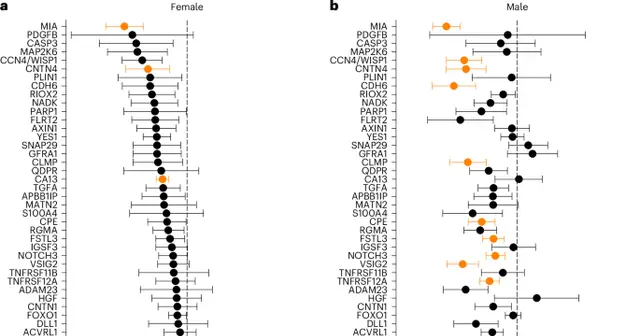
A study released in December 2024 examined mice and human plasma samples to identify factors that increase with age. Among them, IL-23R was flagged as a circulating biomarker that rises with aging and is associated with senescence, a state in which cells stop dividing and begin releasing inflammatory substances. The researchers also tested which of these factors decline in old mice given senolytic interventions, experimental approaches that aim to clear senescent cells.
Because this is early research, results in mice do not guarantee the same effect in people, and the analysis of human plasma does not by itself show that IL-23R causes aging. Biomarkers can help measure biological aging, but they still need to be validated in larger, longer studies before any clinical use.
What it means
The finding suggests IL-23R may be a useful marker of biological aging linked to senescence. It is still unknown whether it plays a causal role, whether it will be useful clinically, or whether the effects seen in mice apply to people.
How to read it with care
This is early research, based on animals and sample observation, and it does not replace a medical consultation. Anyone considering changes to diet, supplements or treatment should talk with a doctor or another qualified health professional.