


Aging
Filter by type: Article73
Lab study reports reversing cellular age in human cells
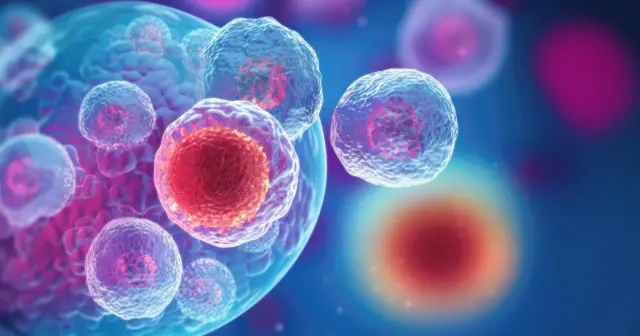
A ScienceDaily report describes a lab study in which blood cells from an 80-year-old person were converted into neural stem cells with molecular age below 20, according to the article. The work was done in cells, not in people.
Edible medicinal plant compounds and aging-related pathways: what the review reports
A review gathers animal and cell studies linking compounds from edible medicinal plants to pathways involved in aging, but it does not yet show effects in people.
New theory links mitochondrial energy flow to aging and disease
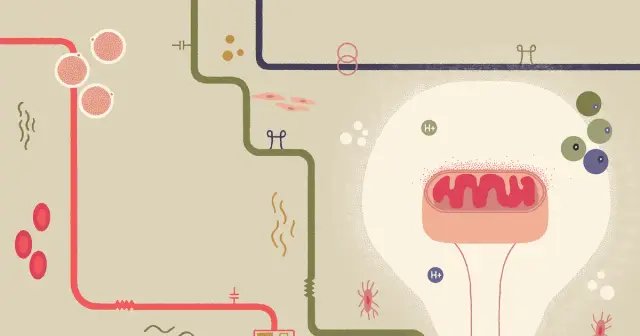
A theoretical proposal suggests that failures in how mitochondria use energy may contribute to aging and to diseases such as type 2 diabetes and Alzheimer's. The idea has not yet been tested.
Aged blood cells reprogrammed to appear decades younger
A news article reports that researchers made blood cells from an 80-year-old donor appear about 60 years younger. The findings are early and have not yet shown a health benefit for people.
- 12 days ago sciencedirect.com
Senescence may not fully explain aging of blood stem cells
A publication argues that changes seen in aged blood stem cells are not fully explained by senescence, the state in which cells stop dividing but remain in the body.
- 12 days ago
 pmc.ncbi.nlm.nih.gov
Exercise and multidomain programs improve healthspan measures in trials
A systematic review of randomized clinical trials in people found that exercise and multidomain interventions were effective at improving healthspan measures, such as intrinsic capacity and quality of life.
- 12 days ago link.springer.com
Mammal lifespan linked to SIRT6 phosphorylation sites
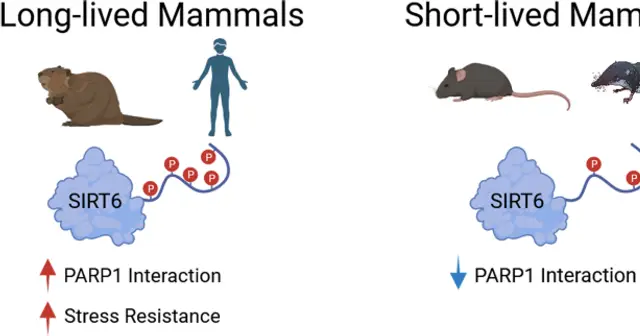
A comparative study across species links phosphorylation sites in the C-terminal domain of the SIRT6 protein to maximum lifespan in mammals, and points to a DNA repair protein as a possible factor in these differences.
BCG vaccine linked to reversing remyelination failure in aging
A publication citing a summary of a Cell Immunity study reports that the BCG vaccine may reverse the remyelination failure linked to aging. The finding is preliminary and still needs confirmation.
Citrate metabolism and inflammation in senescent cells
A Cell Reports article links citrate metabolism, through the enzyme ACLY, to inflammatory signals from senescent cells and suggests ACLY as a possible target for controlling the SASP. It is early research.
- 12 days ago sciencedirect.com
New framework links epigenetic clocks to programmed aging mechanisms
Authors present an article proposing a conceptual framework to explain epigenetic clocks, including Horvath's, in terms of programmed aging mechanisms.
- 12 days ago sciencedirect.com
Senolytic therapy and brain barrier integrity in an animal tauopathy model
A study in animals with tauopathy reports that senolytic therapy preserved the integrity of the blood-brain barrier and promoted microglia homeostasis, an early finding.
- 12 days ago longevity.technology
Targeted partial reprogramming reverses age-related cell signs in animals
A study in animal models tested a precise partial reprogramming method that reversed some age-linked cell changes while keeping cell identity. This is preclinical evidence, still far from proven effects in people.
- 12 days ago news.uq.edu.au
University of Queensland study links master regulator AP-1 to gene shifts in aging
A University of Queensland study analyzed molecular data from people and mice of different ages and found that the regulator AP-1 activates adult-associated genes and lowers early developmental genes across several cell types.
- 12 days ago journals.plos.org
Calorie restriction in mice: longer lifespan, lower resilience
A study published in PLOS ONE, carried out in mice, reports that calorie restriction may extend the animals' lifespan but appears to leave them less resilient. This is an animal result and does not directly show the effect in people.
- 12 days ago genomics.senescence.info
DrugAge database of ageing-related drugs updated
An article announces an update to DrugAge, a database of drugs studied for their effects on ageing. Databases like this help compare compounds already tested, but they do not prove benefit.
- 12 days ago sciencedirect.com
Mitochondrial stress response proposed as a possible anti-aging target
A publication cites an article proposing the mitochondrial stress response as an approach against aging. The idea is still early-stage and does not report results from tests in people.
Single gene change extends fruit fly lifespan by up to 30%
A report describes an experiment with fruit flies in which changing a single gene extended the animals' lifespan by up to 30%. The finding comes from animals and does not show the same effect in people.
- 12 days ago newsweek.com
AP2A1 protein linked to reversing cellular aging
A Newsweek report says bioengineers have identified the AP2A1 protein, linked to reversing cellular aging, with possible relevance for age-related diseases.
- 12 days ago ashpublications.org
Clusterin proposed as a marker of aging in blood stem cells
Researchers from the University of Tokyo propose clusterin as a marker of aging-related changes in blood stem cells, which could help track this process over a lifetime.
- 12 days ago journals.plos.org
Doxifluridine extends worm lifespan through bacterial metabolism
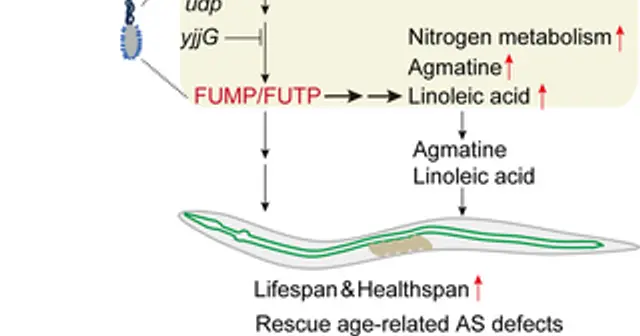
A study in C. elegans worms found that doxifluridine reversed age-associated splicing defects and extended the animals' lifespan. The results are preliminary and have not been tested in people.
- 12 days ago academic.oup.com
Experts reach consensus on 14 candidate biomarkers of aging
An expert panel agreed, with at least 70%, on a list of 14 possible markers of biological aging, but did not present the list as definitive.
- 12 days ago unilad.com
Hungarian worm study on slowing ageing: what can be concluded
A social media post, based on a UNILAD article, cites experiments with worms by a Hungarian university on ageing. The study is in animals and does not directly show what happens in people.
- 12 days ago sciencedirect.com
Withaferin A, oxidative stress and sirtuins in cellular senescence
A study reports that withaferin A may regulate senescence and neuronal differentiation through oxidative stress and sirtuins. This is early research, not health guidance.
Young blood stem cells may ease aging signs in old mice
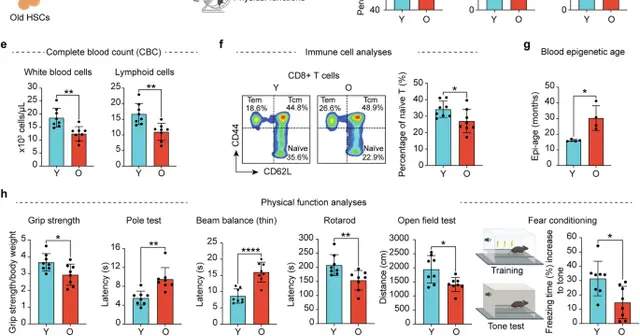
A study in mice reports that transplanting young hematopoietic stem cells into old mice eased aging-related traits and extended their lifespan. The evidence comes from animal research, not trials in humans.





Not medical advice · Learn more