


New theory links mitochondrial energy flow to aging and disease
A theoretical proposal suggests that failures in how mitochondria use energy may contribute to aging and to diseases such as type 2 diabetes and Alzheimer's. The idea has not yet been tested.
Source: New theory links mitochondrial energy flow to aging and disease (sciam.com). Summary written with AI from the source and reviewed by rules; read the original.
What the research shows
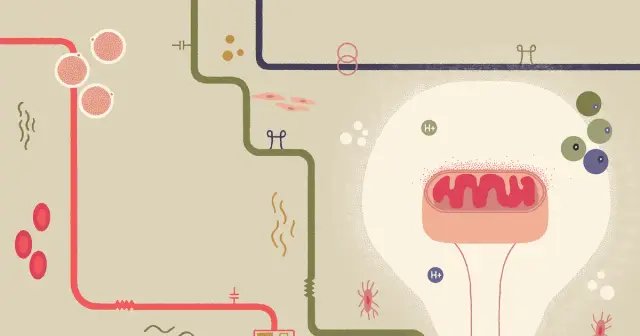
A Scientific American article presents a new theory: failures in the flow of energy within mitochondria, the structures that produce energy inside cells, could contribute to aging and to diseases such as type 2 diabetes and Alzheimer's. The article itself makes clear that this is a theoretical proposal, not a finding tested in experiments.
Mitochondrial energy use is already being studied as a possible link between aging and chronic diseases. A theory that connects these points, however, still needs to be evaluated with data from people, animals or cells. Ideas like this often guide new research, but they may also fail to be confirmed. Readers should therefore treat it as a hypothesis under discussion, not as an established conclusion.
What it means
The theory suggests a possible connection between how efficiently mitochondria handle energy, aging and chronic diseases. It is not yet known whether this link exists in practice, how large it would be, or whether future interventions could change these processes.
How to read it with care
A theoretical proposal does not prove cause and effect and does not replace a consultation. Anyone considering changes to diet, supplements or treatment should talk to a doctor or another qualified health professional.