


Lab study reports reversing cellular age in human cells
A ScienceDaily report describes a lab study in which blood cells from an 80-year-old person were converted into neural stem cells with molecular age below 20, according to the article. The work was done in cells, not in people.
Added on today
Source: Study reports reversing cellular age in human cells in the lab (sciencedaily.com). Summary written with AI from the source and reviewed by rules; read the original.
What the research shows
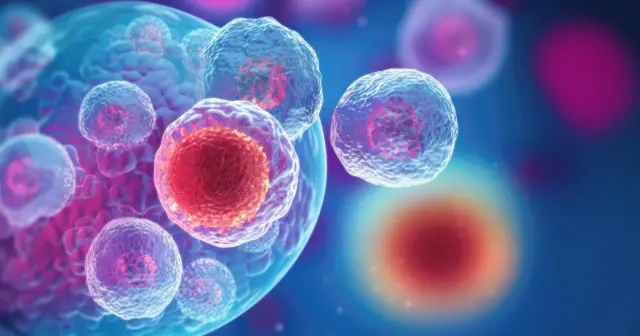
The ScienceDaily report describes a lab study in which blood cells from an 80-year-old person were converted into neural stem cells. According to the article, the resulting cells showed a molecular age below 20. The study was done on human cells grown in the laboratory, not on people, so it does not show how the result would translate to health in a whole body.
Findings at the cellular level can help researchers understand aging and diseases such as Alzheimer's, because they allow biological processes to be observed in a controlled way. Even so, the report makes clear that the results do not show benefits in people. Cell studies are often preliminary and need to be confirmed in further experiments before any conclusion about clinical use can be drawn.
What it means
The result suggests that the biological age of cells may, in principle, be altered in the lab. It is not yet known whether this process works in people, or whether it is safe or useful for preventing or treating disease.
How to read it with care
A lab result using cells does not replace a medical consultation. Anyone considering a change in diet, supplements or treatment should talk to a doctor or another qualified health professional.