


Mapping structural aging across human tissues
A Nature Aging study describes a way to measure the structural aging of organs using images of human tissue, without relying on chronological age as a reference.
Source: Mapping structural aging across human tissues (nature.com). Summary written with AI from the source and reviewed by rules; read the original.
What the research shows
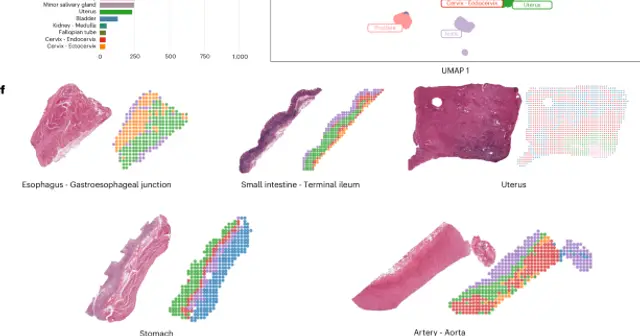
A study published in Nature Aging describes a framework that measures the structural aging of different human tissues using large sets of histology images, meaning microscopic slices of tissue. According to the study, the approach was built without training on people's chronological age. The authors report distinct aging trajectories in each organ that are nonetheless coordinated with one another.
Chronological age only indicates how many years a person has lived, while each organ can age at a different pace in each individual. More precise tissue-level measures may help researchers understand why some organs age faster than others and why this varies between people. The full methods and results are described in the study itself.
What it means
The finding suggests that structural aging can be measured organ by organ, with trajectories that relate to one another. It is not yet clear how these measures translate into health over people's lifetimes. Further studies will need to test their clinical usefulness.
How to read it with care
Research like this does not replace a medical consultation and should not guide health decisions on its own. Anyone considering changes to diet, supplements or treatment should talk to a doctor or another qualified professional.