


Longer lipid chains mark aging and limit lifespan in worms
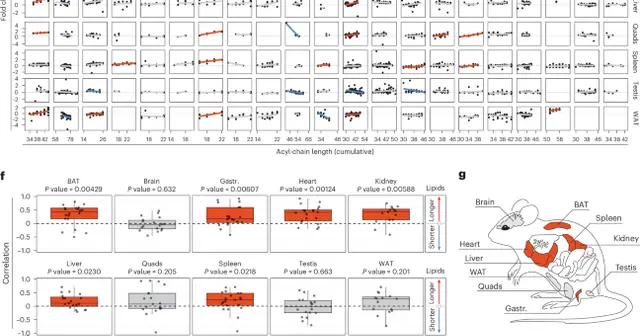
An article in the journal Nature Aging reports that lipid acyl chains lengthen with age across several species, tissues and the progression of heart disease. In worms, targeting the enzyme Plb1 extended the animals' lifespan.
Source: Longer lipid chains mark aging and limit lifespan in worms (nature.com). Summary written with AI from the source and reviewed by rules; read the original.
What the research shows
The Nature Aging article reports that the acyl chains of lipids, the parts of fat molecules, lengthen as animals age. This pattern appears across several species, in different tissues, and during the progression of heart disease. In a study on worms, targeting the enzyme Plb1 extended the lifespan of these animals. The available information does not give numbers of participants, the length of the experiments or other methodological details.
This is a study in animals, and results in worms do not transfer directly to people, since organisms differ in many ways. The finding suggests a molecular marker of aging and a possible target for longevity research. It still needs to be checked whether these changes also occur in humans and whether acting on them is safe and effective.
What it means
The finding indicates that the pattern of lipid chains changes with age and may serve as a biological marker of aging. It also points to the enzyme Plb1 as a possible research target, but this is at an early stage. It is not known whether the same effect occurs in people.
How to read it with care
This result, obtained in worms, does not replace a medical consultation. Anyone considering a change in diet, supplements or any treatment should talk to a doctor or another qualified health professional.