


IGFBP5 restores aging dental stem cells in rat study
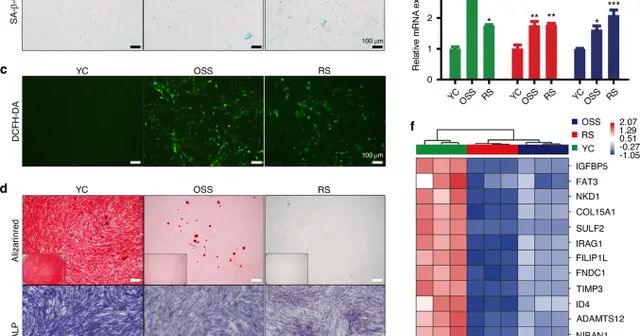
A preclinical study reports that restoring the IGFBP5 protein in aged human dental follicle stem cells reduced signs of senescence and improved their ability to form bone in laboratory work. A hydrogel containing these cells also improved bone regeneration in rats with periodontitis.
Source: IGFBP5 restores aging dental stem cells in rat study (nature.com). Summary written with AI from the source and reviewed by rules; read the original.
What the research shows
The study worked with human dental follicle stem cells that had aged, grown in the laboratory. When researchers restored IGFBP5 in these cells, they observed less senescence, a state in which cells stop working well, and a better ability to form bone. In a later step, a hydrogel containing these cells was used in rats with periodontitis, an inflammation that damages the tissue supporting the teeth, and bone regeneration improved.
These findings are preclinical: they came from cells grown in the laboratory and from animals, and were not tested in people. Aging stem cells may affect how tissues repair, which helps explain research interest in this topic in dentistry. Still, moving from a result in rats to a safe and effective treatment for humans requires many more steps, including clinical trials that assess safety and benefit.
What it means
The result suggests that aging in stem cells may be partly reversed in the laboratory, and that this could support bone regeneration in animals. It is not yet known whether the same approach works in people, or what its long-term risks would be.
How to read it with care
This is a preclinical study and does not replace a consultation. Anyone with dental problems, or considering a change in diet, supplements or treatment, should talk to a dentist or another qualified health professional.