


Aging · 3
Filter by type: Article73
- 12 days ago lifespan.io
Activating the GPR40 receptor slows thymus aging in mice
A study published in Aging Cell reports that activating the GPR40 receptor in thymic epithelial cells slowed thymic involution, the age-related shrinking of the thymus, in mice.
- 12 days ago minervamedica.it
Critical review examines myths and limits of popular longevity recipes
A review published in Minerva Medica examines popular claims about living longer and the limits of the available evidence behind each one.
- 12 days ago lifespan.io
Engineered enzyme removes advanced glycation end products from proteins
Scientists engineered an enzyme that removes an advanced glycation end product from proteins, a change previously considered very difficult to reverse. The work is described as early-stage.
- 12 days ago newsweek.com
Mathematical model suggests humans could theoretically reach 156 years
A new modelling study suggests a theoretical human lifespan limit of 156 years. It is a model, not a trial in people, and not a prediction about real individuals.
- 12 days ago aging-us.com
Paper proposes testing Hydra genes in rotifers to extend lifespan
An article in the journal Aging hypothesizes that introducing gene expression profiles similar to those of Hydra into rotifers could extend healthspan and reduce age-related mortality. It is a research proposal, not a tested result.
- 12 days ago elifesciences.org
Cell study reports rejuvenation without full pluripotency reprogramming
A laboratory study of human cells reports that cellular rejuvenation may be separated from full pluripotency reprogramming. This is early, cell-level evidence and not a treatment.
- 12 days ago biotechniques.com
Heliconius butterflies as a possible new model for longevity research
A report says Heliconius butterflies may live up to 25 times longer than related species while keeping their muscle function. According to the linked BioTechniques article, this reflects an evolutionary strategy for extending life.
- 12 days ago link.springer.com
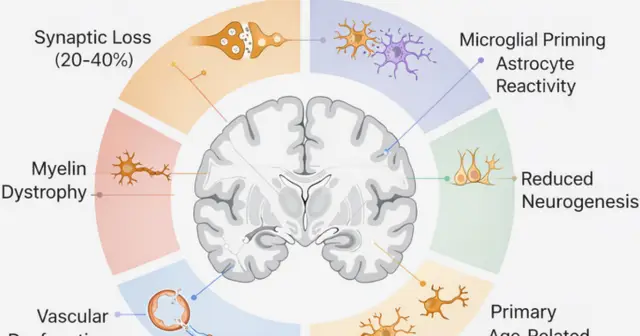
mTORC1 as a possible driver of brain aging: what a review says
A review describes the protein mTORC1 as a possible factor in brain aging when it stays chronically overactive, linked to mitochondrial dysfunction and neuroinflammation.
- 12 days ago link.springer.com
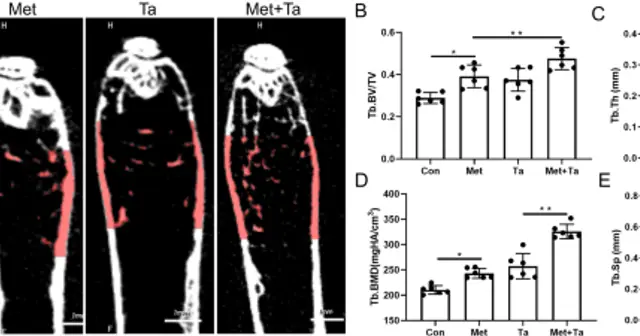
Metformin plus taurine and bone loss in aging mice
A study in 18-month-old male mice tested metformin combined with taurine for 8 weeks and looked at age-related bone loss and the function of bone marrow stem cells. Because it was done in animals, it does not show what would happen in human bones.
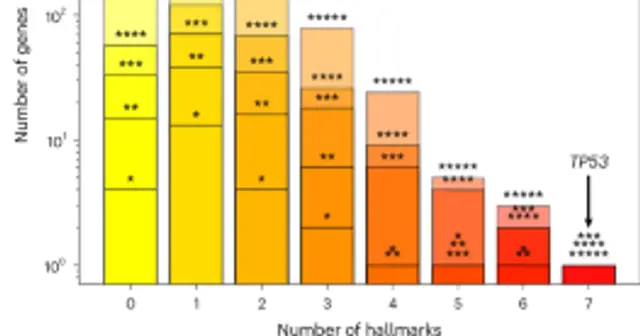
Network map links aging hallmarks to repurposable drug candidates
A computational network study in Nature Aging maps longevity genes and screens thousands of existing drugs for effects linked to aging. The findings are early and have not been tested in people.
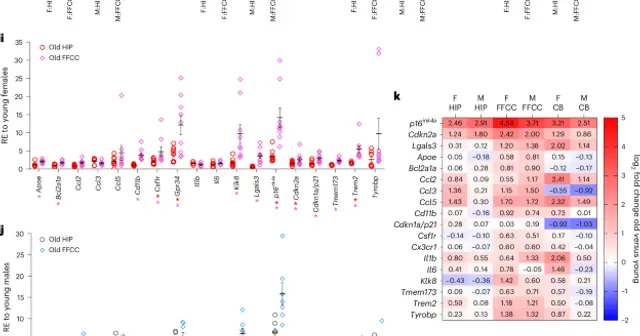
Senescent microglia in aged mouse brain white matter reduced by senolytics
A study in aged mice mapped a senescence-linked microglia state concentrated in the brain's white matter, and senolytic treatment reduced that state.
- 12 days ago onlinelibrary.wiley.com
Immune-aging clock suggests faster aging after COVID-19
A study of 195 adults and 94 people with data from before and after COVID-19 built an aging measure based on the immune repertoire.
- 12 days ago nytimes.com
ARPA-H proposes measuring healthy aging through intrinsic capacity
A report from the US government research agency ARPA-H describes the PROSPR program, which uses strength, mobility, cognition and vitality to measure healthy aging over practical timeframes.
Gene Therapy in Aged Mice Shows Healthspan Gains in Animal Study
A study in aged mice reports that a single dose of AAV-FGF21 gene therapy reduced excess weight, improved blood sugar and insulin sensitivity, and was associated with about 20% longer lifespan in the animals.
- 12 days ago onlinelibrary.wiley.com
New Paper Links SIRT1 Enzyme to Retrotransposon RNA in Aging
A new paper reports that the SIRT1 enzyme suppresses retrotransposon RNA, a process linked to aging. The author of the post suggests this could be a possible way to slow aging.
- 12 days ago nytimes.com
AI-Designed Drug Linked to Signs of Slower Aging: Early Data
A New York Times article, cited by another publication, reports early data on rentosertib, an AI-supported drug candidate for a rare lung disease. The manufacturer claims it also appears to reduce biological markers of aging.
- 12 days ago aging-us.com
Cellular senescence and DNA mutations as possible drivers of aging
A research article discusses which cellular mechanisms of aging have the strongest causal evidence, comparing cellular senescence with somatic DNA mutations.
Gene screen finds factors that protect retinal cells in aging
A preprint, not yet peer reviewed, reports a genomic screen in human retinal cells that identified nine protective genes. The authors claim that the gene NKX2-5 restored vision and improved health in aged mice.
- 12 days ago journals.asm.org
Gut bacteria polyamine linked to longer fruit fly lifespan in study
A study in fruit flies linked gut bacteria that produce putrescine to a longer average lifespan in males. It is early animal research, with no direct evidence in humans.
- 12 days ago link.springer.com
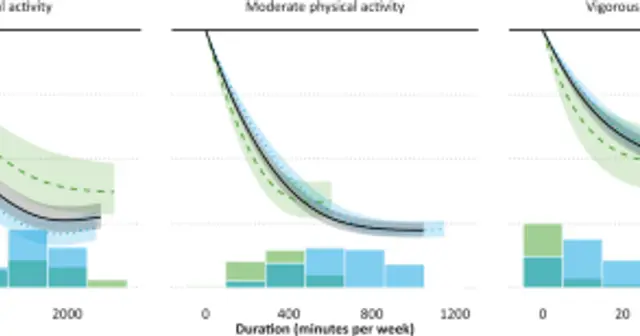
Vigorous physical activity and mortality in 147,414 adults
An observational study of 147,414 adults aged 40 to 74 from NAKO and UK Biobank examined the intensity of physical activity, measured with devices, and the risk of death.
- 12 days ago sciencedaily.com
FTL1 protein linked to brain aging and memory decline in mice
A study in older mice linked higher levels of the FTL1 protein to weaker connections between brain cells and poorer memory. When FTL1 was reduced, the connections and memory of these animals recovered.
- 12 days ago frontiersin.org
Mitochondrial DNA, cGAS-STING and aging: what a Frontiers in Immunology article proposes
A Frontiers in Immunology article proposes a link between mitochondrial balance and aging through the mtDNA-cGAS-STING pathway, with a possible role in immune activity and age-related diseases.
- 12 days ago aging.biluhuang.org
Telomeres and aging: a review argues that aging is a regulated process
An opinion review examines Michael Fossel's book Reversal, which proposes that telomere shortening is more than a marker of aging. The review argues that aging is genetically regulated rather than mainly the accumulation of damage.
Aging weakens macrophage clearance of senescent cells in mice
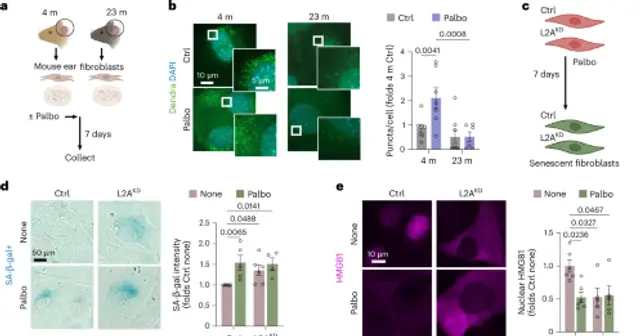
A study in aged mice and cells suggests that declining chaperone-mediated autophagy impairs macrophages' removal of senescent cells. Restoring this autophagy reduced the buildup of these cells and the severity of fibrosis.





 doi.org


Not medical advice · Learn more