


Aging weakens macrophage clearance of senescent cells in mice
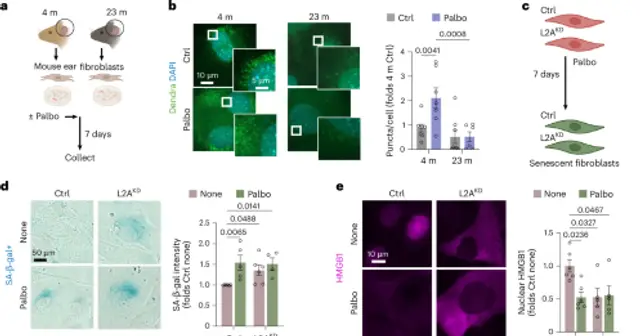
A study in aged mice and cells suggests that declining chaperone-mediated autophagy impairs macrophages' removal of senescent cells. Restoring this autophagy reduced the buildup of these cells and the severity of fibrosis.
Source: Aging Weakens Macrophage Clearance of Senescent Cells in Mice (doi.org). Summary written with AI from the source and reviewed by rules; read the original.
What the research shows
The study, carried out in aged mice and in cells, reports that declining chaperone-mediated autophagy impairs the ability of macrophages to remove senescent cells, which are cells that have stopped dividing and release inflammatory substances. According to the report, when researchers restored autophagy in the animals, the burden of senescent cells fell and the severity of fibrosis also decreased.
The buildup of senescent cells with age is linked to tissue damage, and this work offers a mechanistic explanation for that process. However, the results come from animal and cell research, not studies in people. It cannot establish that the same happens in the human body or that similar interventions would work in people.
What it means
The research suggests that macrophages become less efficient at clearing senescent cells, which may contribute to the tissue damage associated with aging. It is not yet known whether this mechanism applies to humans or what the clinical implications would be.
How to read it with care
This result does not replace a medical consultation. Anyone considering a change in diet, supplements or treatment should talk to a doctor or another qualified health professional.