


Aging · 9
Filter by type: All230
Plasma exchange in older adults linked to younger aging clock scores
A small placebo-controlled trial of 42 older adults linked plasma exchange to aging clock scores that showed a younger biological age. The result is preliminary and the effect is not yet proven.
Resveratrol Linked to Less Skin Thinning in Mice
A study in mice found that resveratrol slowed age-related skin thinning. In human skin cells, lower levels of SIRT1 increased markers of senescence. The results are preliminary and come from animals and cells.
TIMP2 restored brain immune cells in aged mice, study reports
In mice, restoring the TIMP2 protein moved aged microglia away from inflammatory states and improved debris clearance. The results come from animals and have not been tested in people.
- 12 days ago nytimes.com
ARPA-H proposes measuring healthy aging through intrinsic capacity
A report from the US government research agency ARPA-H describes the PROSPR program, which uses strength, mobility, cognition and vitality to measure healthy aging over practical timeframes.
DNA methylation clocks: cause or reflection of aging?
A gerontology researcher explains how DNA methylation clocks estimate biological age from specific sites in blood samples, and discusses whether they control aging or only reflect it.
Gene Therapy in Aged Mice Shows Healthspan Gains in Animal Study
A study in aged mice reports that a single dose of AAV-FGF21 gene therapy reduced excess weight, improved blood sugar and insulin sensitivity, and was associated with about 20% longer lifespan in the animals.
- 12 days ago nature.com
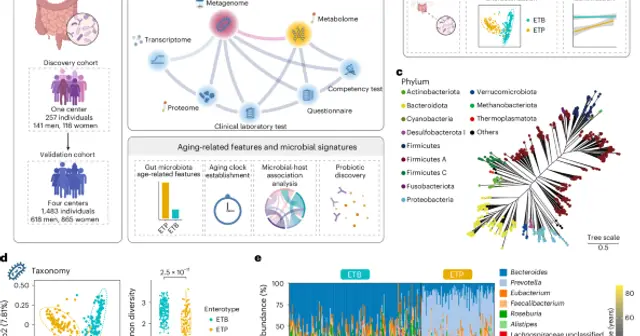
Gut bacterium linked to aging and inflammation in mice
A Nature Aging study links a decline in one gut bacterium with age in human cohort data. In mice, studies reported less age-related inflammation and greater healthspan.
Gut bacterium linked to aging improves signs of aging in old mice
A study of aged mice published in Nature Aging found that an isolated gut bacterium improved intestinal barrier function and inflammation. The authors also observed that this bacterium decreases with age in human samples.
- 12 days ago nature.com
Healthy Diets Linked to Slower Epigenetic Aging in Over 7,000 Adults
A study of more than 7,000 adults linked Mediterranean, DASH and plant-based diets to slower biological aging, measured with epigenetic clocks. The findings are observational and do not prove cause.
- 12 days ago nature.com
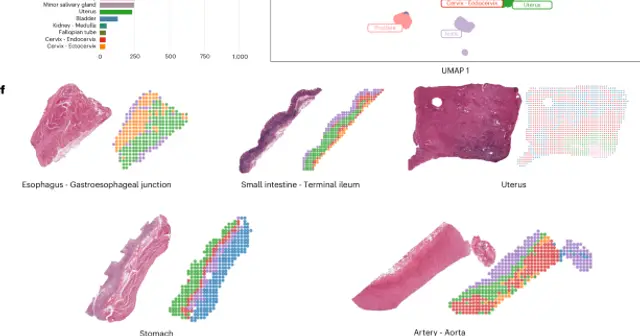
Mapping structural aging across human tissues
A Nature Aging study describes a way to measure the structural aging of organs using images of human tissue, without relying on chronological age as a reference.
Mouse embryo study links DNA methylation patterns to epigenetic rejuvenation
A study in mouse embryos links patterns of DNA methylation to what is called epigenetic rejuvenation. The authors classify the statistical significance as exploratory, not confirmatory.
- 12 days ago onlinelibrary.wiley.com
New Paper Links SIRT1 Enzyme to Retrotransposon RNA in Aging
A new paper reports that the SIRT1 enzyme suppresses retrotransposon RNA, a process linked to aging. The author of the post suggests this could be a possible way to slow aging.
Self-contracting muscle implant and health markers in aging mice
A report on a mouse study indicates that self-contracting muscle grafts increased muscle mass, strength and bone density, and reduced fat and inflammation. The results are early, come from animals, and do not yet show whether the effects occur in people.
TIMP2 protein restores some aged brain immune cell function in mice
In 20-month-old mice, restoring the TIMP2 protein moved brain immune cells called microglia away from inflammatory states and improved clearance of cell debris, according to the study. The results come from animals only.
- 12 days ago nytimes.com
AI-Designed Drug Linked to Signs of Slower Aging: Early Data
A New York Times article, cited by another publication, reports early data on rentosertib, an AI-supported drug candidate for a rare lung disease. The manufacturer claims it also appears to reduce biological markers of aging.
AI-designed drug shifted aging clocks in small lung fibrosis trial
A phase 2a trial of 42 people with idiopathic pulmonary fibrosis treated with rentosertib found that blood-protein aging clocks showed younger ages than placebo, especially at week 4. The findings are early and based on a small group.
- 12 days ago aging-us.com
Cellular senescence and DNA mutations as possible drivers of aging
A research article discusses which cellular mechanisms of aging have the strongest causal evidence, comparing cellular senescence with somatic DNA mutations.
Early mouse data on the SL-100 chemical reprogramming cocktail in aging
A conference presentation reported early, unpublished data in rapidly aging mice. Animals given the SL-100 cocktail kept their weight and were less frail than untreated animals.
First human trial of cellular reprogramming targets the eye
A publication reports the first human patient treated with ER-100, an OSK gene therapy aimed at the eye. The initial goal is to assess safety, not to prove benefits.
Gene screen finds factors that protect retinal cells in aging
A preprint, not yet peer reviewed, reports a genomic screen in human retinal cells that identified nine protective genes. The authors claim that the gene NKX2-5 restored vision and improved health in aged mice.
- 12 days ago journals.asm.org
Gut bacteria polyamine linked to longer fruit fly lifespan in study
A study in fruit flies linked gut bacteria that produce putrescine to a longer average lifespan in males. It is early animal research, with no direct evidence in humans.
- 12 days ago nature.com
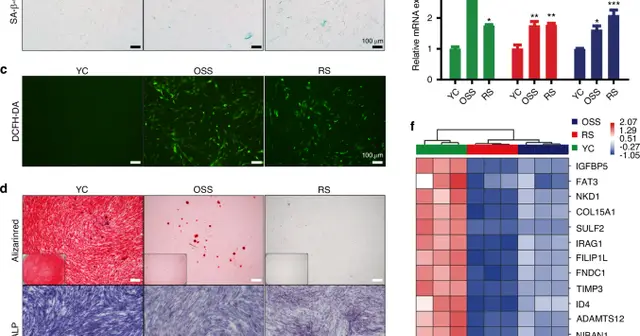
IGFBP5 restores aging dental stem cells in rat study
A preclinical study reports that restoring the IGFBP5 protein in aged human dental follicle stem cells reduced signs of senescence and improved their ability to form bone in laboratory work. A hydrogel containing these cells also improved bone regeneration in rats with periodontitis.
Inflammation-linked structures in aging cells: a preliminary Harvard lab finding
A Harvard postdoctoral researcher presented at a conference on structures called inflammasome-like bodies, made of three proteins, in aging cells. The work is early and has not yet been published.
Pilot mouse study reports protection against frailty and longer life
A pilot study in rapidly aging mice, presented at a congress, reports protection against frailty and a maximum lifespan extended by more than 33%. The results are preliminary and come from animals.

 doi.org
Not medical advice · Learn more