


Shared gene expression signatures of aging across four mammals
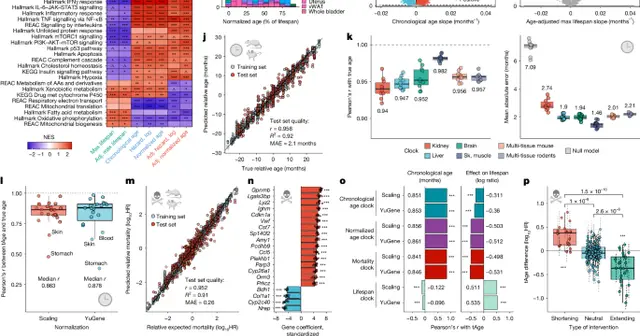
A study published in Nature combined more than 11,000 transcriptomes from over 25 tissues in four mammal species to build aging clocks. The work is done in animals.
Source: Shared gene expression signatures of aging across four mammals (doi.org). Summary written with AI from the source and reviewed by rules; read the original.
What the research shows
The study, published in the journal Nature, combined more than 11,000 transcriptomes, measurements of gene activity, from over 25 tissues in four mammal species. From these data, the researchers built interpretable clocks, models that estimate the chronological age of the animals and their expected mortality. This is research in animals.
Why it matters: comparing how aging appears in the genes of different species may help us understand the biology shared by aging and the risk of death. Research in animals does not directly show what happens in people, and a gene pattern linked to age or mortality is not, by itself, the cause of aging. Further studies would be needed to test how far these findings reach.
What it means
The results suggest that there are gene expression patterns of aging shared across mammals, which may guide future research. It is still unclear how these clocks translate to human health or whether they could be used to assess an individual's risk.
How to read it with care
This is an animal research finding and does not replace a consultation. Anyone considering a change in diet, supplements or treatment should talk to a doctor or another qualified health professional.