


Aging · 10
Filter by type: All230
Preprint suggests epigenetic disorder rises with age in mammals
A preprint asks whether the epigenome becomes more disordered with aging. According to the publication, the answer appears to be yes in mammals, but the study has not yet undergone peer review.
Seven proposed hallmarks of muscle health, with regeneration among them
A review in Nature Metabolism, written by muscle biologists, proposes seven interconnected hallmarks of muscle health. The third is regenerative capacity, supported by satellite stem cells.
SIRT6 and longevity: what a social media post claims and what still needs proof
A social media post presents the protein SIRT6 as a key to longevity. The post cites no study, so its claims need checking against primary research.
- 12 days ago link.springer.com
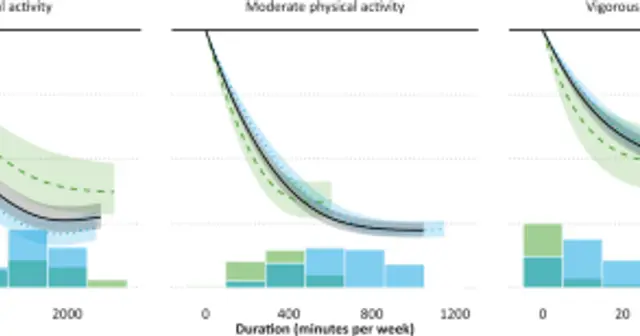
Vigorous physical activity and mortality in 147,414 adults
An observational study of 147,414 adults aged 40 to 74 from NAKO and UK Biobank examined the intensity of physical activity, measured with devices, and the risk of death.
- 12 days ago sciencedaily.com
FTL1 protein linked to brain aging and memory decline in mice
A study in older mice linked higher levels of the FTL1 protein to weaker connections between brain cells and poorer memory. When FTL1 was reduced, the connections and memory of these animals recovered.
- 12 days ago nature.com
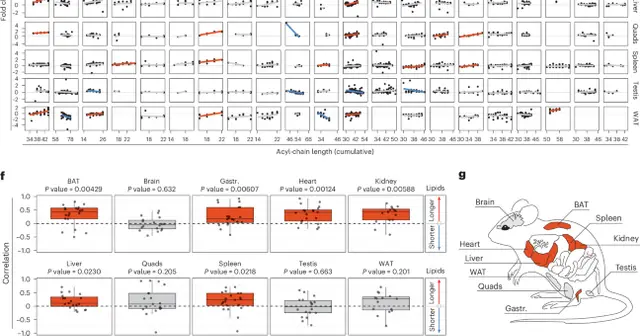
Longer lipid chains mark aging and limit lifespan in worms
An article in the journal Nature Aging reports that lipid acyl chains lengthen with age across several species, tissues and the progression of heart disease. In worms, targeting the enzyme Plb1 extended the animals' lifespan.
- 12 days ago frontiersin.org
Mitochondrial DNA, cGAS-STING and aging: what a Frontiers in Immunology article proposes
A Frontiers in Immunology article proposes a link between mitochondrial balance and aging through the mtDNA-cGAS-STING pathway, with a possible role in immune activity and age-related diseases.
- 12 days ago aging.biluhuang.org
Telomeres and aging: a review argues that aging is a regulated process
An opinion review examines Michael Fossel's book Reversal, which proposes that telomere shortening is more than a marker of aging. The review argues that aging is genetically regulated rather than mainly the accumulation of damage.
Lipid chain length may drive cell aging, authors say
An article describes a study linking longer lipid chains in cell membranes with age and a drop in cell viability, and notes that certain interventions reversed this trend in the study.
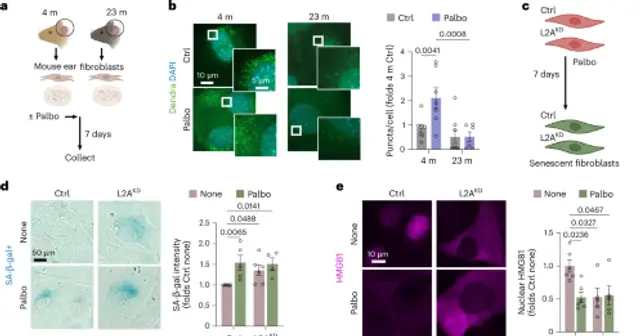
Aging weakens macrophage clearance of senescent cells in mice
A study in aged mice and cells suggests that declining chaperone-mediated autophagy impairs macrophages' removal of senescent cells. Restoring this autophagy reduced the buildup of these cells and the severity of fibrosis.
- 12 days ago longevity.technology
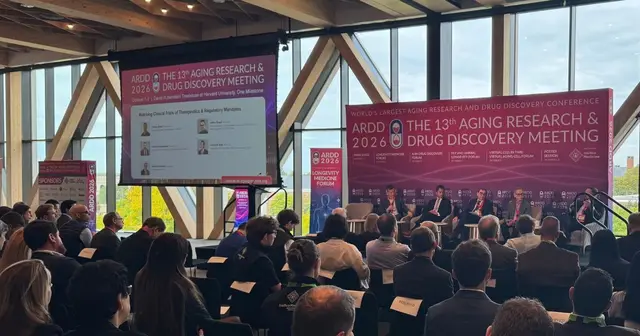
FDA signals interest in regulating therapies that target aging
A news article about a 2026 aging research meeting reports that FDA officials presented possible paths for evaluating therapies aimed at aging biology, including showing slower decline in function compared with control groups.
Grape-seed compound PCC1 tested against aging cells in early mouse studies
Early mouse studies in China suggest that PCC1, a grape-seed compound, may extend life by acting on damaged cells. There are not yet human studies confirming this.
Mitochondrial transplant restores heart cleanup in aged mice
A mouse study in Aging Cell reports that transplanted healthy mitochondria restored mitophagy, the process that removes damaged mitochondria, in aging hearts.
Redesigned fisetin version shows greater potency in mouse cells
Researchers at the University of Minnesota redesigned fisetin, a plant compound. In aging mouse cells, the new version was described by the author as 27 times more potent. The result comes from laboratory work, not from studies in people.


Not medical advice · Learn more