


Less visceral fat over time linked to slower brain shrinkage in midlife
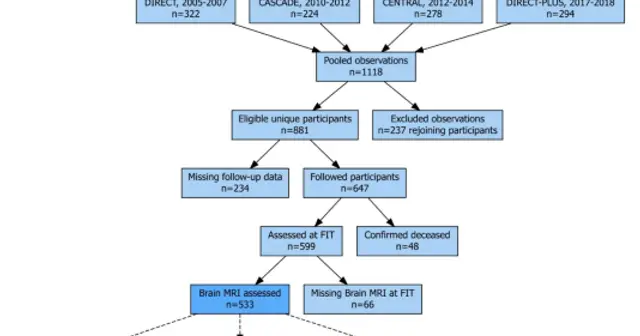
A study in Nature Communications of 533 adults, average age 61, linked sustained loss of visceral fat to less brain atrophy and better cognition, mainly through blood sugar control.
Source: Lower visceral fat over years linked to slower brain atrophy in midlife (nature.com). Summary written with AI from the source and reviewed by rules; read the original.
What the research shows
The Nature Communications study followed 533 adults, average age 61, for 5 to 16 years after lifestyle trials. Participants had brain MRI scans. The researchers found that sustained loss of visceral fat, the fat surrounding the abdominal organs, was associated with less brain atrophy, meaning less brain shrinkage, and better cognition. According to the study, this link operated mainly through blood sugar control.
This kind of result is observational: it shows an association between variables over time, but does not prove that losing visceral fat causes brain preservation. Other factors, such as age, genetics, sleep and daily habits, may also influence outcomes. Studies like this help clarify possible biological pathways, but they need confirmation from more rigorous designs and longer follow-up.
What it means
The finding suggests that visceral fat and blood sugar control may be linked to brain health during aging. It is still unknown whether changing these factors alters the course of brain atrophy, or in which people the effect would be strongest.
How to read it with care
A result like this does not replace a medical consultation. Anyone considering changes to diet, supplements or treatment should talk to a doctor or another qualified health professional.