


Brain wave bands separate causal and contextual signals in visual decisions
A research article reports that high-gamma activity in the visual cortex reflects causal contributions to perceptual decisions, while lower frequency bands indicate contextual influences.
Source: Brain wave bands separate causal and context signals in visual decisions (journals.plos.org). Summary written with AI from the source and reviewed by rules; read the original.
What the research shows
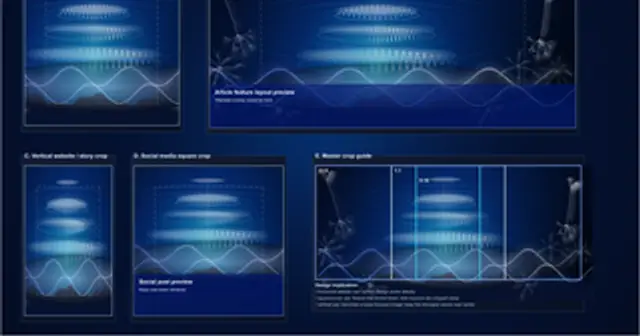
According to the research article, high-gamma activity, a fast band of brain rhythms, in the visual cortex reflects causal contributions to perceptual decisions, meaning how the brain decides what it is seeing. Lower frequency bands, in contrast, are linked to contextual influences, such as surrounding information that shapes that decision.
Findings like this help explain how different brain rhythms relate to decision-making, a basic step in the study of cognition. Research of this kind is usually foundational and helps frame questions that later studies can test in more detail. A single result does not change our understanding of the brain or bring immediate clinical applications.
What it means
The finding suggests the brain uses different rhythms to separate what drives a visual decision from what only gives it context. These results still need to be checked in other studies, and how these bands interact is not yet well understood.
How to read it with care
This basic research does not replace a consultation. Anyone considering a change in diet, supplements or treatment should talk to a doctor or another qualified health professional.