


Disabling MTCH2 gene alters fat metabolism in mice and human cells
A study in mice and human cells reports that disabling the MTCH2 gene increased fat burning and prevented the formation of new fat cells. It is early laboratory research.
Source: Disabling MTCH2 gene alters fat metabolism in mice and human cells (sciencealert.com). Summary written with AI from the source and reviewed by rules; read the original.
What the research shows
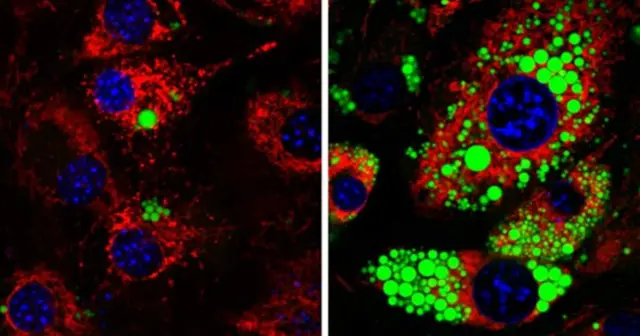
The study was carried out in mice and in human cells. According to the authors, disabling the MTCH2 gene increased fat burning and prevented the formation of new fat cells. Based on these results, the researchers suggest possible future strategies for weight loss. The source does not give details such as the number of animals or cell samples, or how long the experiments lasted.
This kind of work is early laboratory research. Results in cells and animals can point to biological pathways worth investigating, but they do not show whether something similar happens in the human body. For people, there is still no evidence of benefit or safety. The finding points to a possible metabolic pathway for obesity research, and further studies would be needed before any practical conclusion.
What it means
The study suggests that the MTCH2 gene is involved in fat metabolism in mice and in human cells. It is still unknown whether this effect occurs in people, or whether it would be safe or effective for controlling weight.
How to read it with care
A result like this does not replace a consultation. Anyone considering a change in diet, supplements or treatment should talk to a doctor or another qualified health professional.