


Cross-tissue meta-analysis maps DNA methylation signatures of human aging
A meta-analysis published in Nature Aging pooled DNA methylation data from 17 human tissues and described aging patterns shared across them, plus groups of genes that may be modifiable.
Source: Cross-tissue meta-analysis maps DNA methylation signatures of human aging (doi.org). Summary written with AI from the source and reviewed by rules; read the original.
What the research shows
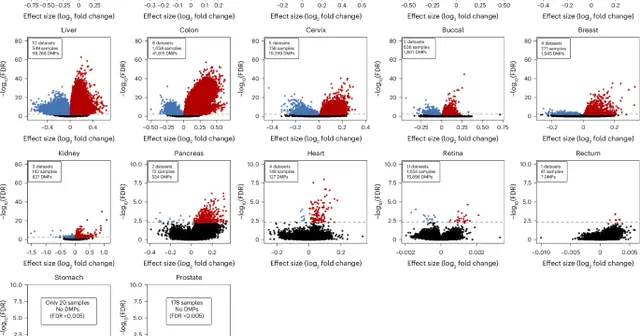
The meta-analysis, published in Nature Aging, pooled DNA methylation data from 17 human tissues. DNA methylation is a chemical mark on genetic material that tends to change with age. According to the study, the authors identified aging signatures that recur across different tissues and groups of genes that may be modifiable. The article also highlights NAD+ metabolism and the gene PCDHGA1 as central points in these networks.
It is worth remembering that a meta-analysis combines results from studies already carried out, and the associations it reports describe patterns, not proven causes. Much of what is known about biological aging has come from blood samples, which are easier to collect. Mapping how these marks vary across organs and tissues may help explain aging more broadly, but follow-up studies are still needed to confirm the role of each gene and metabolic pathway.
What it means
The finding suggests that aging leaves marks on DNA that differ between tissues, and that some of them recur. It is not yet known whether changing these genes or pathways would alter aging or people's health.
How to read it with care
This result does not replace a medical consultation. Anyone considering a change in diet, supplements or treatment should talk to a doctor or another qualified health professional.